For an OEM DDR5 RAM project, sample approval should identify one accepted product version: the technical configuration, appearance, programmed settings, labels, packaging, and evidence supporting release. A message saying “sample approved” leaves production uncertain if those items belong to different revisions.
Use this checklist to organize the buyer, supplier, brand, engineering, and quality decisions for a desktop DDR5 project. A golden sample is a controlled physical reference linked to documents and test records. It helps define the accepted product, while pilot-lot checks establish whether the planned delivery matches that reference. The workflow below is a suggested project process; its responsibilities and commercial terms must be agreed with the supplier.
Assign a project ID and a requirement revision before submitting samples for approval. Identify the exact module or kit part number, the sample's revision, and each physical sample by serial or controlled sample ID. A series name is too broad to define the item under review.
| Specification group | What the approved record should identify |
|---|---|
| Product identity | Buyer and supplier part numbers, revision, sample IDs, and applicable specification version |
| Memory configuration | DDR5 desktop UDIMM class, capacity per module, modules per kit, total kit capacity |
| Operating definition | Default setting, target data rate, required profile, and model-specific electrical requirements |
| Controlled design | Relevant BOM/configuration, PCB and SPD revisions, with approved alternatives or restrictions |
| Mechanical and visual definition | Dimensions, heat spreader, finish, color, logo position, and RGB/non-RGB design |
| Linked files | Drawing, label, packaging artwork, test plan, reports, and deviation-log revisions |
Distinguish an early engineering sample from a production-intent sample. Record any temporary component, programming, hand modification, or packaging substitution. Such a sample can answer a defined development question without becoming the reference for unreviewed production characteristics.
Confirm which materials and settings are fixed and which alternatives require review. Where detailed design information is confidential, agree a controlled configuration identifier and an evidence arrangement that still allows the buyer to trace the approved version. A photograph cannot identify hidden component or SPD changes.
Use the actual brand files and versioned artwork. Check logo shape, spelling, placement, finish, label text, and language. Review a physical print or packaging sample where appearance or fit matters, rather than approving only a screen rendering.
Keep capacity claims consistent across the module label, retail box, inserts, and order specification. A kit's total capacity and its capacity per module must be distinguishable. The barcode should encode the approved item and scan correctly in the intended receiving or retail workflow; a visually correct barcode can still identify the wrong package.
Check that images, profile statements, and other product claims describe the enclosed SKU. Do not reuse artwork from a nearby frequency, capacity, color, or RGB version without checking every affected field.
Approve inner protection, kit retention, box fit, carton marks, and any required transport-packaging test or evidence as defined by the project. State which physical packing version was reviewed. If only artwork is ready, record packaging approval as pending rather than implying the finished pack has passed.
Keep an approved digital file set and photographs of the accepted physical result. Give revisions distinct identifiers so the printer, supplier, inspection team, and buyer work from the same files.
Attach the project's platform matrix to the sample revision. It should identify the CPU, motherboard model and revision, BIOS, operating-system environment, memory layout, and default or target profile settings. Record the exact sample IDs used for each report.
Set pass criteria and methods before testing. The project may require detection, capacity, active rate, cold boot, restart, sleep/wake behavior, memory stability, and representative application checks. Identify tool versions, settings, test duration, conditions, errors, and disposition. The DDR5 UDIMM compatibility checklist provides the platform inputs.
Where a QVL entry supports the review, keep its source and scope with the technical evidence. Evaluate that evidence through the separate qualification process. Sample sign-off should reference its result rather than reinterpret the QVL or extend it to untested platforms.
For an RGB design, define a separate lighting check. Record the intended control method, motherboard and software versions, OS image, and any other lighting tools installed. Verify software detection where claimed, default power-on behavior, requested effects, brightness/off state, and behavior after restart or sleep.
Review color and brightness consistency using the viewing conditions agreed with the brand team. Keep camera exposure and ambient lighting controlled when photographs are used for comparison. A memory stability pass does not resolve an uneven light bar or an unacceptable visual finish.
For non-RGB projects, mark lighting checks not applicable. For RGB projects, do not claim support for every control ecosystem from one successful sample. The private-label RGB and non-RGB guide covers related visual and software requirements.
Compare the sample with the current requirement, not with the memory of an earlier discussion. Give each difference an issue ID, the affected requirement, sample evidence, an owner, required action, due date, and release impact. A missing report or unapproved file is a pending item just as a physical defect is.
| Deviation area | Evidence to retain | Disposition needed |
|---|---|---|
| Technical configuration or performance | Requirement, observed configuration/result, affected sample IDs and report | Correction and verification, or an explicitly approved specification change |
| Branding or visual result | Artwork revision, photographs, measurements or agreed visual reference | Accepted revision and physical recheck where required |
| Packaging or identification | Label/box version, capacity wording, barcode result and packing evidence | Corrected files and verification of the actual packed item |
| Incomplete test or documentation | Missing item, owner, applicability, and planned evidence | Completed review before the affected release gate |
Use clear statuses such as open, awaiting correction, awaiting retest, closed, or accepted by documented change. An accepted change must identify who authorized it, which revised requirement applies, and its scope. It is not the same as leaving the issue unresolved.
Close release-blocking items before the affected production step. A quantity-limited engineering trial can have its own written authorization, but it should not be confused with approval for unrestricted volume supply. Avoid broad comments such as “minor issues to follow” when the issue could affect labeling, function, platform support, or the delivered product.
Assign review responsibility by subject. Engineering confirms the technical configuration and applicable test results. The brand owner confirms visual identity and artwork. Quality confirms evidence completeness, deviation closure, and the release scope. Purchasing confirms the agreed commercial and schedule conditions. One person's approval should not silently cover a subject outside their assigned responsibility.
The signed record should identify:
Project, buyer and supplier part numbers, and approved product revision.
Physical sample IDs and the date of approval.
Linked specification, BOM/configuration, SPD/profile, drawing, artwork, and packaging revisions.
Platform and lighting test references with their approved scope.
Deviation log and the documented closure or accepted changes.
Named reviewers and the release decision, including any scope restriction.
Retained-sample locations, custodians, and controlled-copy status.
Agree how many reference sets are retained and by whom. Use identification, photographs, suitable protection, and a custody record to reduce the chance of substitution or damage. For memory, storage and handling should protect the electrical contacts, module, and approved visual surfaces. If multiple reference copies are used, confirm they represent the same approved version.
A physical sample cannot reveal every internal component, tolerance, or programmed setting. Keep the supporting documents with it. If the reference deteriorates or a change is required, review and replace it through a controlled revision process. Preserve the earlier approval history and mark superseded references so they cannot be mistaken for current production authority.
Approve the pilot scope separately from the golden sample. State the agreed quantity, intended configuration, production-material assumptions, checks, and release owner. Samples, pilot units, and later shipments should be traceable to the relevant specification and approval record.
Compare pilot units with both the physical reference and the controlled technical files. Verify model/revision, module and kit capacity, programmed settings, finish, logo, labels, barcode, packing, and the required functional evidence. This confirms the delivered configuration; the detailed manufacturing test process remains a separate control plan.
If the pilot uses a different component, program, or packaging file, identify the difference before accepting its results. Obtain the approved change and any required retest. Do not allow an undocumented substitute to become the new reference simply because it arrived in the pilot shipment.
Before increasing volume, review pilot findings, corrective actions, traceability, change-notification responsibilities, and the route for field feedback. Agree how an after-sales issue will connect to its shipment lot, module identity, symptoms, investigation, and any resulting specification change. The RAM manufacturer evaluation guide provides broader supplier-process questions.
Release volume only when the required pilot checks and blocking issues are closed and the authorized version is clear to both teams. Keep technical acceptance distinct from shipment authorization and commercial readiness. A passing sample alone does not settle packaging availability, order quantity, payment, or delivery terms.
Not necessarily. An engineering sample can support a limited development test. A golden sample is the identified reference approved for defined production characteristics.
No. Technical configuration, testing, visual identity, packaging, and release conditions need the appropriate reviews.
Record separate results. If lighting is a project requirement, resolve the visual or control deviation before the affected release.
A blocking deviation should be closed first. Any limited trial needs explicit written scope; it does not establish unrestricted volume approval.
The reference must represent the approved saleable configuration. Agree reference contents and retain the kit, labels, packaging, and technical records needed for inspection.
No. Later changes need an impact review, updated documentation, and retesting where required before release.
Sample cost, quantity, preparation time, customization scope, pilot terms, and any credit arrangement require supplier confirmation.
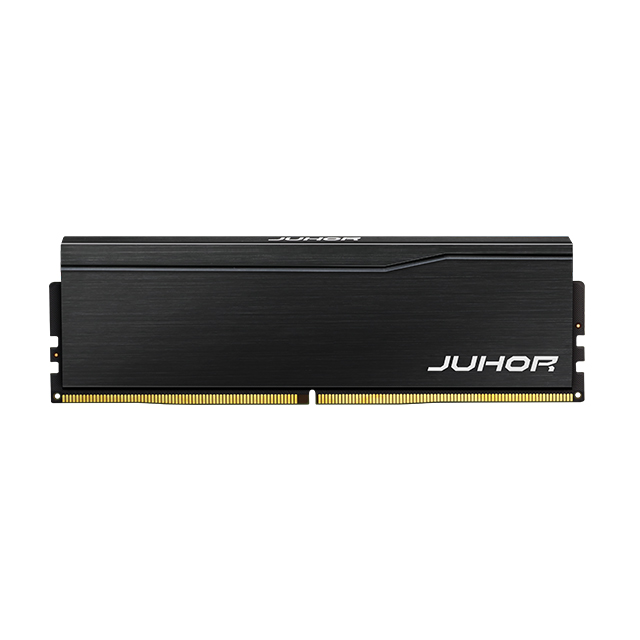
JUHOR lists an OEM/ODM DDR5 desktop memory product that can be a starting point for an inquiry. Request the exact proposed SKU and the customization and evidence scope available for the project; a catalog page does not define an agreed golden-sample service.

JUHOR desktop DDR5 reference image. It is not the project's signed golden sample or proof of a specific approved configuration.
Submit the product requirements, brand files, platform list, testing items, sample quantity, and expected volume-production window. Ask JUHOR to confirm the sample proposal, document package, responsibilities, commercial terms, and pilot-release steps. Bind the agreed answer to one project revision before sign-off.
SEO title: OEM DDR5 RAM Sample Approval and Golden Sample Checklist
Meta description: Bind DDR5 sample specifications, branding, packaging, test results, deviations, retained references, and pilot-lot release to one approved OEM project version.
URL slug: ddr5-sample-approval-oem-private-label-checklist
Primary keyword: oem ddr5 ram
Secondary keywords: ddr5 sample approval; private label ddr5 sample; ddr5 golden sample checklist; ddr5 oem sample testing; ddr5 pilot order approval.
Internal links: Three relevant technical/project articles and one desktop product page, each linked once.
References: Sofeast golden-sample guidance; quality-provider sample-control articles; manufacturer RGB support guidance; JUHOR DDR5 desktop product information. Workflow responsibilities and acceptance conditions are project recommendations to agree with the supplier.


4 / F, No. 18, Langkou Industrial Park, Langkou Community, Dalang Street,Shenzhen,Guangodng , China