For bulk buyers, DDR5 RAM batch consistency means being able to identify what was approved, determine whether a delivered lot matches it, and review any relevant change before release. It does not require pretending that every component will remain available forever.
A useful DDR5 supplier quality agreement defines controlled characteristics, acceptable alternatives, evidence, notification, approval, and requalification responsibilities. This article gives brand quality teams and channel procurement a framework for that agreement. It focuses on supply revisions and lot control for desktop UDIMMs, rather than same-PC memory mixing or the initial project sample-signoff procedure.
Start with the approved SKU and its applicable specification. Link the part number, module capacity, kit layout, operating requirements, BOM/configuration revision, PCB revision, programmed settings, and label revision to the existing sample-approval record.
Keep the physical reference and documents connected. The retained sample can help compare appearance, but it cannot reveal every hidden component or programmed value. The controlled specification and supporting records define those characteristics.
The baseline should identify:
Buyer and supplier part numbers and the revision being supplied.
Capacity per module, modules per kit, and the approved module class.
Default SPD data and approved profile/operating requirements.
Controlled BOM, PCB, key-component, mechanical, and label references.
Approved alternatives and the conditions under which they may be used.
Sample approval and platform-test records defining the acceptance scope.
Where full design disclosure is restricted, agree a controlled configuration identifier and sufficient evidence to establish revision identity and change impact. “Same series” or “same speed” is too broad to describe the approved design.
Define what consistency means for the project: retained operating specification, identified components, appearance, or a particular combination. A controlled-BOM commitment needs an agreed scope and change process. It is not an unlimited supply or lifetime-availability guarantee.
List the changes that need review and the person responsible for classifying their impact. The following categories are starting points for a project agreement, not a claim that every supplier already operates this policy.
| Change category | Examples to assess | Potential review focus |
|---|---|---|
| DRAM configuration | Vendor or die revision, density, device organization, rank, component specification | Capacity interpretation, training, supported platforms, operating behavior |
| PCB and assembly configuration | PCB revision, layout, relevant assembly materials or production process changes | Fit, signal behavior, workmanship, reliability evidence |
| Key devices | PMIC, SPD hub, or other components identified as critical to the design | Programming, power behavior, host interaction, applicable qualification |
| SPD and profiles | Default data, profile contents, identification or programming revision | Detection, boot settings, target rate, profile behavior, traceability |
| Mechanical and visual materials | Heat spreader, interface material, coating, dimensions, or lighting components where present | Clearance, thermal behavior, appearance, and any lighting requirement |
| Identification and packaging | Module labels, barcode mapping, lot format, kit identification, protective packaging | Correct product identification, traceability continuity, receiving and transport checks |
A different component does not automatically make a product unacceptable. The question is whether it falls within an approved alternative or requires impact assessment and new evidence. A visually identical component may have a different specification, while a label-format change may leave the electrical design unchanged.
Manufacturing-location and upstream process changes can also matter when the project controls them. Ask how relevant component notices reach the module supplier and then the buyer. Specify the applicable scope instead of requiring every upstream event to receive the same test response.
Traceability should connect the module or kit in a field return to its shipment, production identity, approved configuration, and applicable test evidence. A barcode is useful only when its stored identifier can be resolved into those records.
| Record | Fields to agree | Link to preserve |
|---|---|---|
| Approved product | Buyer/supplier SKU, revision, specification and approval IDs | Configuration authorized for supply |
| Module or kit | Serial ID or agreed lot identifier; kit ID and member-module mapping where used | The saleable unit and its physical modules |
| Production batch | Supplier lot, production reference, applicable BOM/PCB/SPD revision | Delivered units and their build configuration |
| Material records | Relevant component identity and lot references within the agreed disclosure scope | Critical materials used in the affected batch |
| Test evidence | Report ID, test configuration/version, result, date and responsible party | The units or sample scope represented by the result |
| Shipment and receiving | Purchase order, carton/packing reference, quantity, destination and receipt status | Which stock and customers may be affected |
| Change or exception | Notice/deviation ID, affected revisions/lots, disposition and release record | Why that material was accepted, held, replaced or retested |
Agree whether identification is unit-level, lot-level, or both. If individual serial numbers are unavailable, record the limitation and the lot boundary that can actually be traced. Do not infer exact component-lot mapping from a date code unless the supplier's records support it.
Confirm record access, retention, ownership, and the method for retrieving an affected lot's history. These terms belong in the project agreement. For deeper supplier-process assessment, use the RAM manufacturer evaluation guide.
A change notice should identify its reference and revision, affected part numbers and lots, the before/after configuration, reason, anticipated impact, evidence available, proposed samples, and intended implementation or first-shipment point. Mark missing information so it remains an open review item.
Route the notice to named contacts. Engineering assesses platform and functional effects; quality assesses evidence, traceability, and acceptance; procurement reviews open orders, stock, timing, and commercial impact. Assign a release authority rather than relying on the person who happens to receive the email.
Agree notification lead time, response expectations, sample availability, and shipment authorization in writing. Supplier policies may differ. Receiving a PCN should not be confused with the buyer's acceptance; the parties need an agreed method for acknowledgement, questions, approval, and exceptions. Do not assume that silence has a particular contractual meaning.
Define how old and new revisions will be distinguished during transition, including stock, work in progress, open purchase orders, and service material. State whether mixed-revision deliveries are permitted and how they must be identified. No revised material should be treated as an approved substitute merely because its headline capacity and rate match.
A component or programming change may retain the supplier's public part number. The controlled revision and transition identification therefore matter alongside the ordering code. Ask which identifiers change and how receiving can recognize the first affected lot.
Select the review and tests according to the change's effect on the approved configuration. A major electrical redesign and an administrative barcode correction should not inherit either the same blanket approval or the same automatic full test program.
| Affected requirement | Possible evidence or verification | Acceptance record |
|---|---|---|
| Platform operation | Detection, boot, restart, required sleep/wake, stability on affected CPU/board/BIOS rows | Matrix scope, conditions, results, deviations and approver |
| SPD/profile or rate requirement | Program-data comparison and default/target-setting verification | Old/new settings and qualified operating configurations |
| Mechanical, thermal or visual requirement | Dimensions, clearance, relevant workload/temperature evidence, finish or lighting checks | Applicable drawing/reference, limits and result |
| Label or packing requirement | Identity mapping, barcode scanning, kit contents and applicable packing checks | Approved files, traceability continuity and receiving instructions |
Set test methods, sample selection, duration, and pass criteria before the changed samples are assessed. There is no single test duration or sample count that proves equivalence for every DDR5 program. Record why the selected scope is sufficient for the affected requirements.
Use the approved DDR5 platform configuration as the technical starting point. A changed population, capacity, or BIOS may require another matrix row. When programmed profiles are affected, compare them through the XMP and EXPO specification review rather than assuming default and target operation are identical.
Keep the original approval and link the new decision to it. State which changed revision and shipping configurations are accepted. A sample that passes on one platform does not extend approval to every platform in the channel.
If a received lot does not match the approved identity or contains an unexplained change, place the affected stock on controlled hold while the scope is assessed. Identify relevant cartons, modules, open orders, work in progress, and shipments where records allow. Avoid expanding or narrowing the affected population without evidence.
An alternative proposed to restore supply needs a separate identity, impact assessment, and approved disposition. Do not quietly replace held material with another unreviewed design. Where a limited deviation is accepted, define the product, lots, quantity or time boundary, authorized use, and approver.
Use the following record template for a batch exception or return investigation:
Case ID, reporting contact, date, and issue description.
SKU/revision, module or kit IDs, supplier lot, and shipment/PO reference.
Host, BIOS, module population, running settings, symptoms, and available logs.
Affected-stock assessment, hold location/status, owner, and containment action.
Supplier investigation, identified cause or remaining uncertainty, and proposed correction.
Alternative or rework proposal, verification evidence, and authorized disposition.
Closure decision, corrective-action effectiveness check, and links to any revised approval.
Keep reported symptoms separate from confirmed causes. A field failure does not prove that all units in the lot are defective, but it can justify containment and investigation. Agree the RMA evidence, handling, return route, and reporting responsibilities with the supplier rather than assuming replacements or credits are automatic.
Feed confirmed findings into the controlled specification, change classification, or requalification plan where relevant. Close the loop with evidence that the corrective action addresses the issue, and communicate the approved revision to purchasing, receiving, service, and the supplier.
No. It means the controlled baseline and any applicable changes can be identified and managed under the agreed process.
No. Module organization, components, PCB, and programmed settings can differ while the headline label stays similar.
The responsible reviewer should assess its impact and document the required evidence. Some changes need targeted checks; others justify broader requalification.
A notice supplies information. Approval and shipment authorization follow the process agreed between buyer and supplier.
Do not assume one for the project. Confirm the applicable notification terms, response process, transition controls, and exceptions in the agreement.
Lot-level traceability may be possible. State its limits and confirm the records that link modules, cartons, configuration, and shipments.
No. Record the case, assess and contain potentially affected stock, and investigate before deciding the lot's disposition.
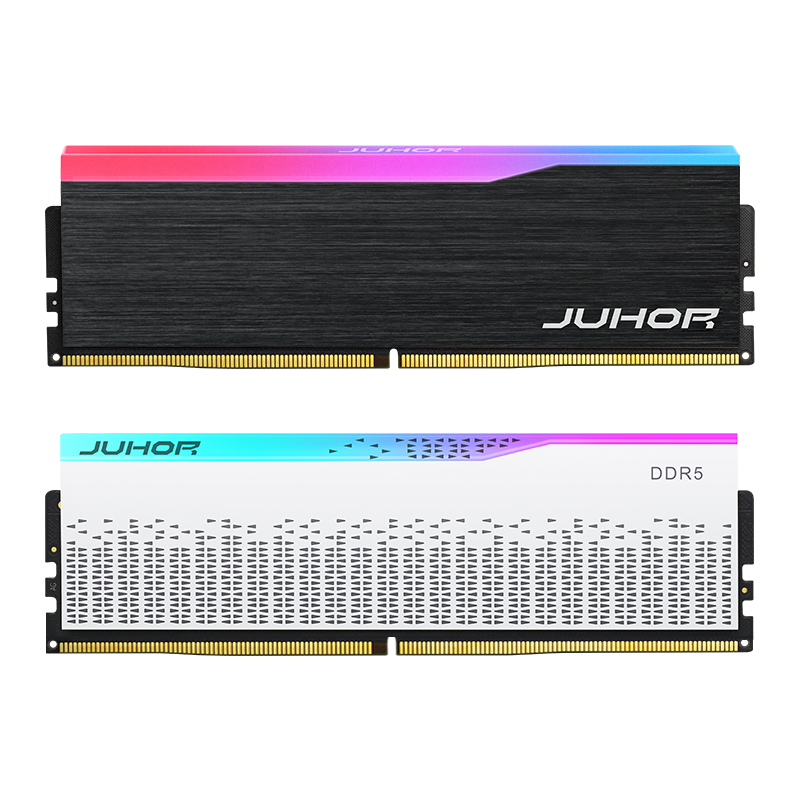
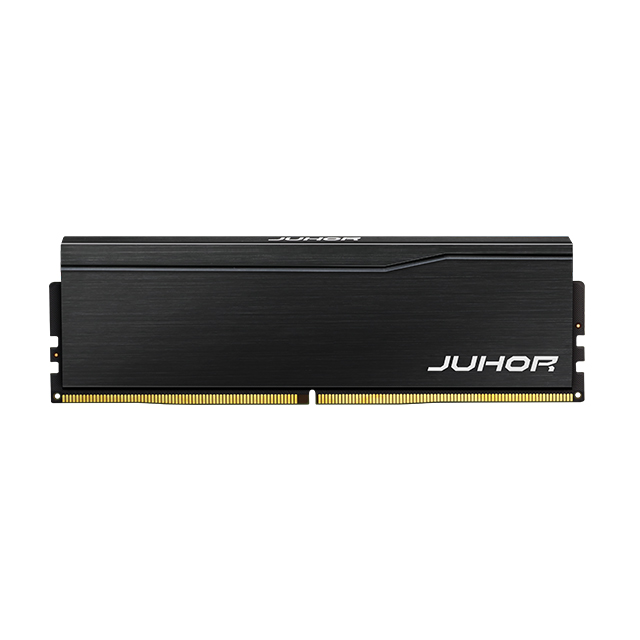
JUHOR lists an OEM/ODM DDR5 desktop memory product that can be a starting point for a base-UDIMM inquiry. The public page does not establish a project-specific controlled-BOM agreement, PCN deadline, or traceability service.

JUHOR DDR5 desktop reference image. The offered SKU, revision, materials, and programmed configuration must be identified in the project documents.
Submit the critical-material requirements, acceptable alternative scope, validation matrix, and traceability fields. Ask JUHOR to confirm which quality terms and records can be supported, how proposed changes will be reviewed, and what additional validation would be needed. Bind the agreed response to the supplied model and project revision.


4 / F, No. 18, Langkou Industrial Park, Langkou Community, Dalang Street,Shenzhen,Guangodng , China