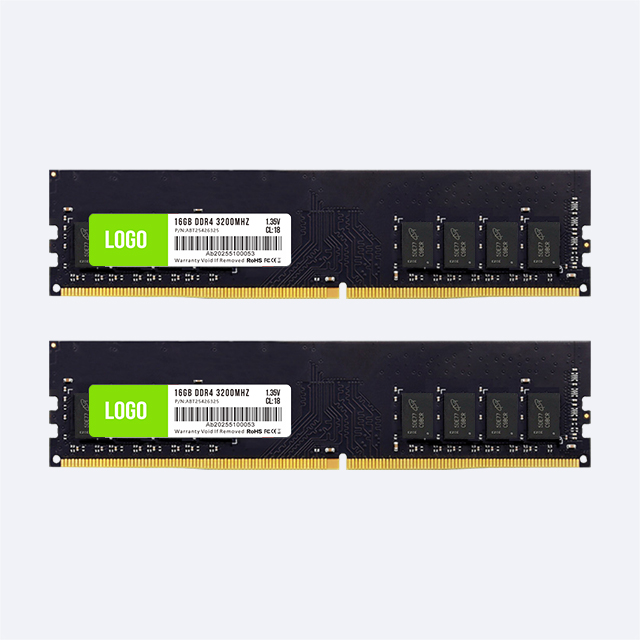
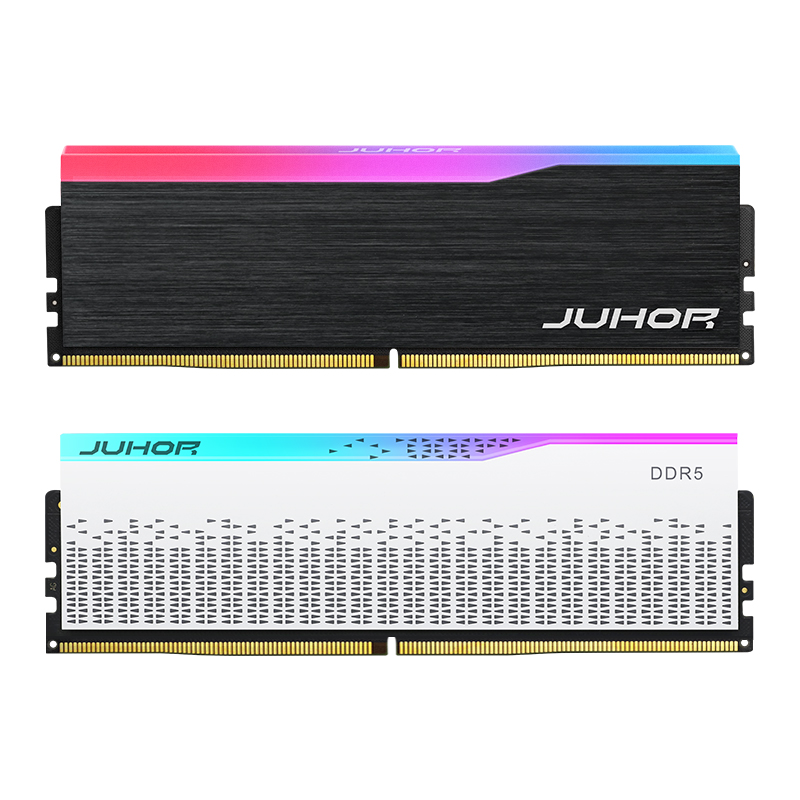
The development of modern memory technology has focused on higher speed, larger capacity, and improved energy efficiency. As computing systems evolve, memory modules must support higher data transfer rates and more demanding workloads. These requirements have led to significant changes in memory architecture from DDR4 to DDR5.
One of the most important changes in DDR5 memory is the introduction of an on-module Power Management Integrated Circuit (PMIC). Unlike previous generations where the motherboard handled most power regulation tasks, DDR5 moves part of this responsibility directly onto the memory module. This architectural shift helps improve power stability and efficiency for high-speed memory systems.
In the following sections, we will explain why DDR5 adopts on-module PMIC design, how DDR4 power architecture worked previously, and what benefits the new design brings to modern computers and servers.
Before discussing DDR5 improvements, it is helpful to understand how DDR4 memory manages power.
In DDR4 systems, voltage regulation is mainly handled by the motherboard. The motherboard’s voltage regulator modules generate the required power and deliver it to the memory modules through the DIMM slots. DDR4 typically operates at 1.2V, and both the DRAM core and I/O circuits rely on the motherboard’s power supply.
While this design worked well for earlier memory speeds, several limitations became clear as memory performance increased. First, power must travel from the motherboard to the DIMM module through traces and connectors. During this process, electrical resistance causes IR losses, which reduce efficiency and generate heat.
In addition, motherboard-based power regulation makes it difficult to control power at the individual memory module level. As memory capacity and speed continue to grow, this centralized approach becomes less flexible for modern computing platforms.

With the transition to DDR5, memory performance has improved significantly. However, these improvements also place greater demands on the power delivery system.
First, DDR5 operates at higher data rates than DDR4. DDR4 memory commonly runs up to 3200 MT/s, while DDR5 starts at 4800 MT/s and continues to scale higher. Faster data transfer means the memory system must respond more quickly to electrical changes.
Second, DDR5 operates at a slightly lower voltage of 1.1V compared with DDR4’s 1.2V. Although the voltage difference appears small, the allowable voltage variation is much tighter. Stable voltage becomes more important as signal speed increases.
Because of these factors, traditional motherboard-based power delivery becomes more difficult to maintain. A more precise and efficient solution is required to support DDR5 memory performance.
To address these challenges, DDR5 introduces a Power Management Integrated Circuit (PMIC) placed directly on the memory module.
In general terms, a PMIC is responsible for regulating and controlling power supplied to electronic components. In DDR5 memory modules, the PMIC converts the incoming power from the motherboard into the exact voltage levels required by the DRAM chips.
Instead of relying entirely on the motherboard to regulate every voltage rail, the DDR5 architecture works in a different way. The motherboard supplies a higher-level power input, and the PMIC located on the DIMM performs local voltage regulation and distribution.
By placing the power control closer to the DRAM chips, DDR5 can achieve more accurate voltage regulation and faster response to load changes.
With this architectural change in mind, several important advantages become clear.
First of all, placing the PMIC directly on the memory module reduces the distance that regulated power must travel. Shorter power delivery paths mean less resistance and lower IR losses. As a result, energy efficiency improves and less power is wasted during transmission.
This improvement is especially useful in systems with many memory modules, such as servers and data center platforms.
Another major benefit is improved voltage stability. DDR5 memory requires tighter voltage tolerance compared with DDR4. By regulating power locally on the DIMM module, the PMIC can provide more accurate voltage control.
Stable voltage helps maintain reliable data transmission, which is critical for high-speed memory interfaces.
In addition, on-module power management improves system scalability. Each DIMM module can manage its own power requirements independently. This makes it easier for systems to support larger memory capacities and more DIMM slots.
For enterprise servers and high-performance computing platforms, this flexibility is an important advantage.
Furthermore, DDR5 PMIC allows more advanced power management features. Because the PMIC directly controls the module’s power rails, it can support dynamic power adjustments based on workload requirements.
For example, power usage can be optimized during different operating states. This contributes to improved energy efficiency across the entire system.
Finally, moving detailed power regulation to the DIMM module simplifies motherboard design. Instead of handling every voltage requirement for the DRAM chips, the motherboard can focus on providing stable input power.
This design approach reduces the complexity of motherboard power circuits and makes system design more flexible for manufacturers.
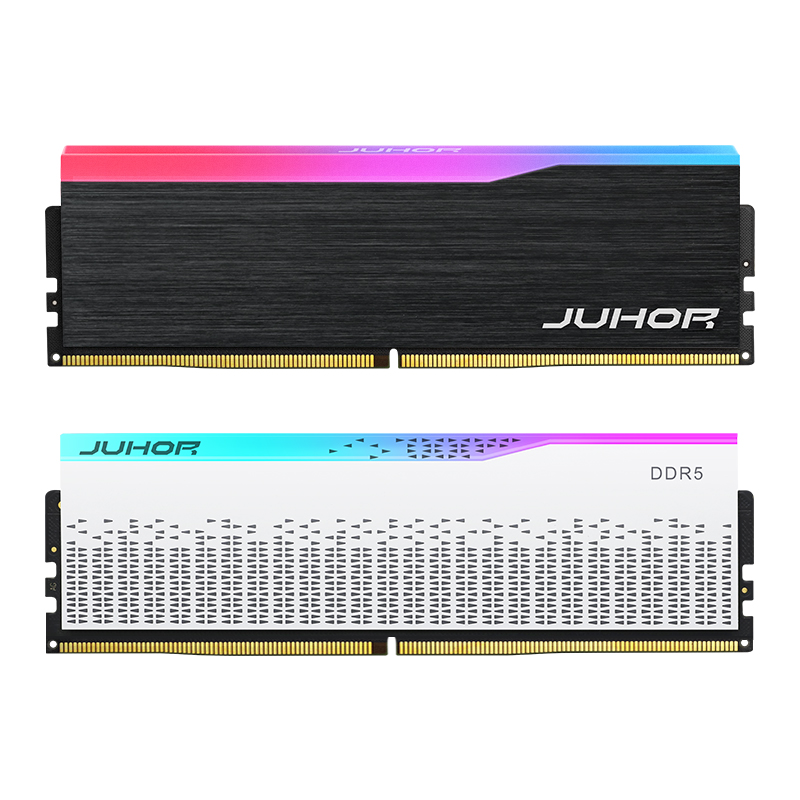
These advantages make DDR5 particularly suitable for modern computing environments.
In data centers, servers often contain many memory modules running continuously. The ability to regulate power locally helps improve power distribution and maintain stable operation under heavy workloads.
Similarly, high-performance computing systems rely on stable memory performance to process large amounts of data. The improved voltage regulation provided by DDR5 PMIC architecture helps maintain reliable operation at higher memory speeds.
In summary, DDR5 introduces a major change in memory power architecture by integrating the Power Management Integrated Circuit (PMIC) directly onto the DIMM module. This design addresses several limitations of the traditional motherboard-based power system used in DDR4.
By moving power regulation closer to the DRAM chips, DDR5 improves power efficiency, voltage stability, and system scalability. It also enables more advanced power management while reducing the complexity of motherboard power design.
As memory performance continues to increase, on-module power management has become an important part of modern DDR5 architecture.
Juhor is committed to providing reliable and high-performance memory products for global customers. With strict quality control and advanced manufacturing processes, Juhor offers stable and efficient DDR memory solutions for gaming systems, workstations, and enterprise applications.
If you are looking for dependable memory products for your projects or systems, Juhor provides professional DDR memory solutions designed to meet modern computing requirements.


4 / F, No. 18, Langkou Industrial Park, Langkou Community, Dalang Street,Shenzhen,Guangodng , China