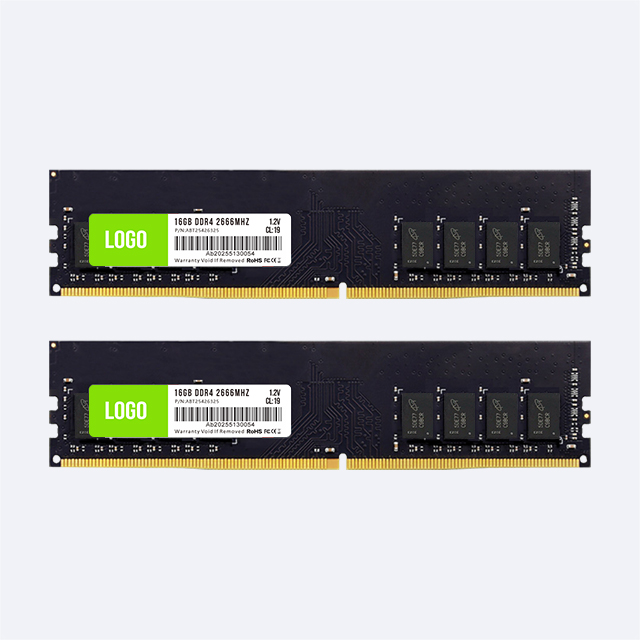
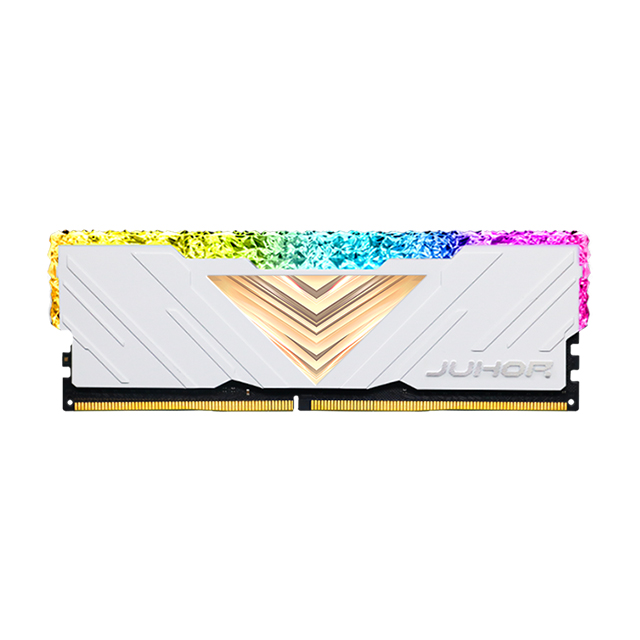
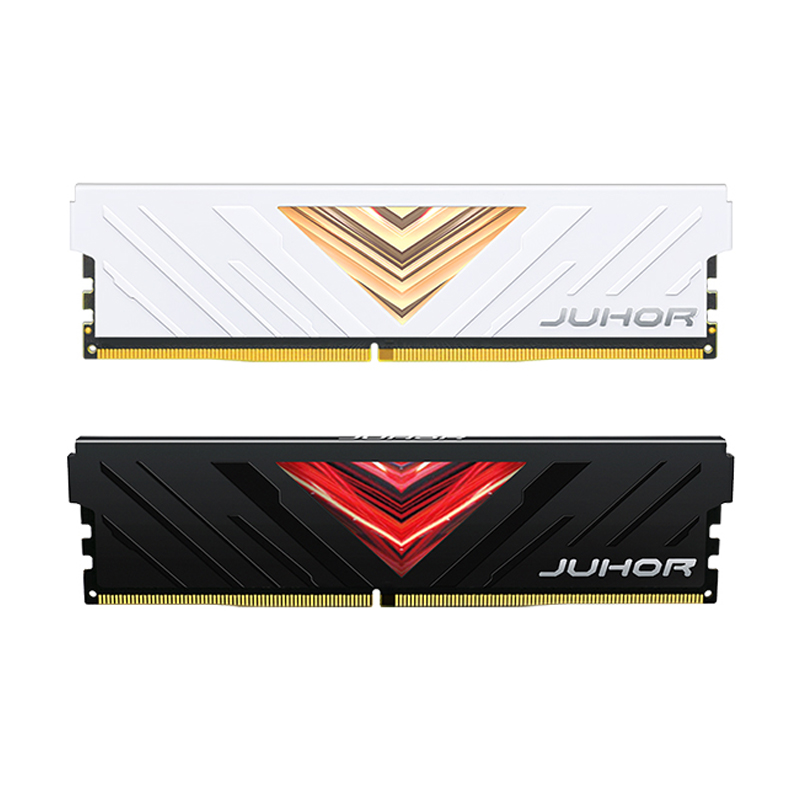
When building or upgrading a gaming PC, choosing the right memory is one of the most important decisions. While the CPU and GPU usually get most of the attention, RAM plays a key role in how smoothly games run, how fast data loads, and how well the system handles multitasking. Today, gamers often face a common question: should a gaming PC choose DDR4 or DDR5 memory?
To answer this properly, it is not just about “newer is better.” Instead, it requires understanding performance differences, platform compatibility, cost, and how modern games actually use memory. The following guide provides a clear and practical comparison to help you make the right choice.
To begin with, RAM acts as the system’s short-term working memory. Games constantly load textures, assets, and instructions into memory so the CPU and GPU can access them quickly. When memory performance is insufficient, issues such as stuttering, longer load times, or frame drops may occur.
In modern gaming systems, memory bandwidth, latency, and capacity all influence performance. Therefore, choosing between DDR4 and DDR5 memory is not just a technical detail—it directly affects the gaming experience, system lifespan, and upgrade flexibility.
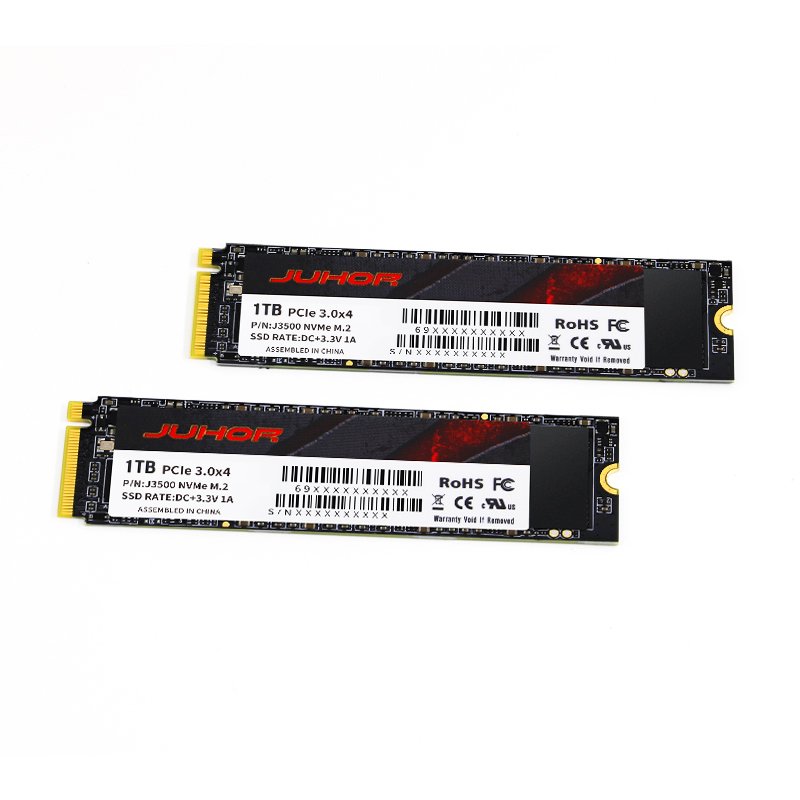
First, DDR4 memory has been the mainstream standard for many years and is still widely used in gaming PCs today. It typically operates at speeds ranging from 2133 MHz to 3200 MHz, with higher-frequency kits available through overclocking.
From a practical standpoint, DDR4 offers several clear advantages:
Mature and stable technology: DDR4 platforms have been optimized for years, resulting in excellent compatibility and reliability.
Lower cost: DDR4 memory is more affordable, making it attractive for budget and mid-range gaming builds.
Broad hardware support: Many CPUs and motherboards fully support DDR4, offering flexibility when upgrading or building a system.
Solid real-world performance: For many current games, DDR4 delivers smooth gameplay without noticeable bottlenecks.
As a result, DDR4 remains a sensible option for gamers focused on value and proven performance.
However, DDR4 does have limitations that are becoming more noticeable over time:
Lower bandwidth compared to newer standards
Limited scalability for future workloads
Less efficient power design than DDR5
While these drawbacks may not impact casual gaming today, they matter more for long-term system planning.
On the other hand, DDR5 represents the next generation of DDR memory technology. It starts at higher base speeds, typically 4800 MHz and above, and introduces architectural improvements that directly affect performance and efficiency.
Compared with DDR4, DDR5 offers several meaningful improvements:
Higher bandwidth: DDR5 can transfer significantly more data per second, which benefits CPU-intensive games and background tasks.
Improved efficiency: Lower operating voltage and on-module power management improve energy efficiency.
Better scalability: DDR5 supports higher memory densities, making it suitable for future games and demanding workloads.
Enhanced memory architecture: Dual sub-channels per DIMM allow more efficient data access, especially in multi-core systems.
Because of these features, DDR5 is well suited for high-end gaming PCs and next-generation platforms.
Despite its benefits, DDR5 is not a perfect choice for everyone:
Higher cost: DDR5 memory and compatible motherboards are more expensive.
Platform requirements: DDR5 requires newer CPUs and motherboards, limiting upgrade options.
Latency differences: DDR5 has higher CAS latency values, though higher frequencies help offset this in real-world performance.
Therefore, DDR5 delivers its best value in systems designed specifically to take advantage of its strengths.
To make an informed decision, it helps to compare DDR4 and DDR5 across key performance factors.
DDR5 clearly leads in raw bandwidth. This allows faster data movement between the CPU and memory, which can improve performance in CPU-heavy games and reduce bottlenecks in modern engines.
While DDR5 has higher CAS latency numbers, real latency depends on both frequency and timing. In practice, the performance difference varies by game and system configuration. For many gaming scenarios, the gap is small.
DDR5 supports higher-capacity modules, making it a better option for future games, streaming, and multitasking. DDR4 systems may reach capacity limits sooner.
DDR5 introduces on-module voltage regulation, which improves efficiency and stability. This is especially useful in high-performance gaming systems running for long periods.
Ultimately, the right choice depends on your priorities.
You are building a budget or mid-range gaming PC
You want maximum compatibility and lower upfront cost
You mainly play current-generation games at standard settings
DDR4 remains a reliable and cost-effective solution that still delivers excellent gaming performance.
You are building a high-end or future-focused gaming PC
You plan to use new-generation CPUs and platforms
You want better long-term scalability and efficiency
DDR5 is a strong investment for gamers who want cutting-edge performance and longer system relevance.
Before purchasing, consider these practical guidelines:
Check motherboard and CPU compatibility carefully
Match memory kits (same capacity, speed, and brand) for stability
Balance speed and capacity based on your gaming habits
Avoid overpaying for speeds your system cannot fully use
These steps help ensure your memory choice delivers real value.
In summary, there is no single answer that fits every gaming PC. DDR4 remains a strong and affordable choice for many gamers, while DDR5 offers higher bandwidth, better efficiency, and improved future readiness. The best option depends on your budget, platform, and performance goals.
By understanding how DDR4 and DDR5 differ in real-world gaming scenarios, you can make a smarter decision that supports both current gameplay and future upgrades.
If you are sourcing reliable DDR memory solutions for gaming PCs or professional systems, Juhor provides stable, high-quality DDR4 and DDR5 products designed for performance and long-term reliability. As an experienced DDR Memory supplier, Juhor supports partners with consistent quality, technical expertise, and dependable supply to meet evolving market demands.


4 / F, No. 18, Langkou Industrial Park, Langkou Community, Dalang Street,Shenzhen,Guangodng , China