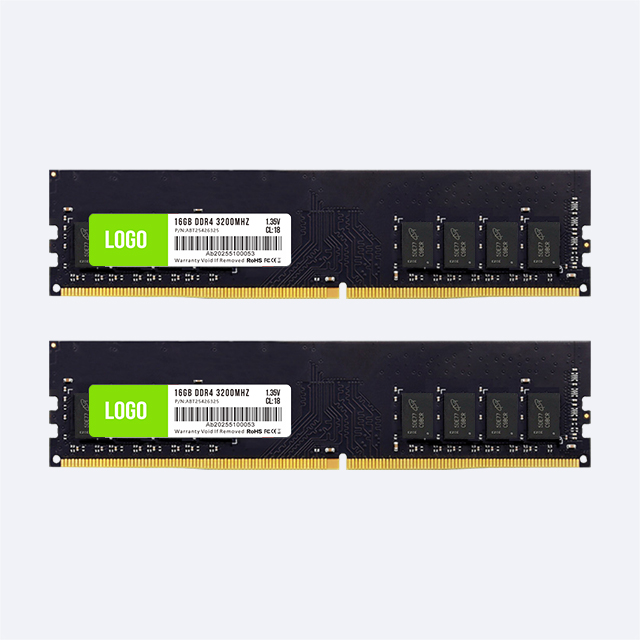
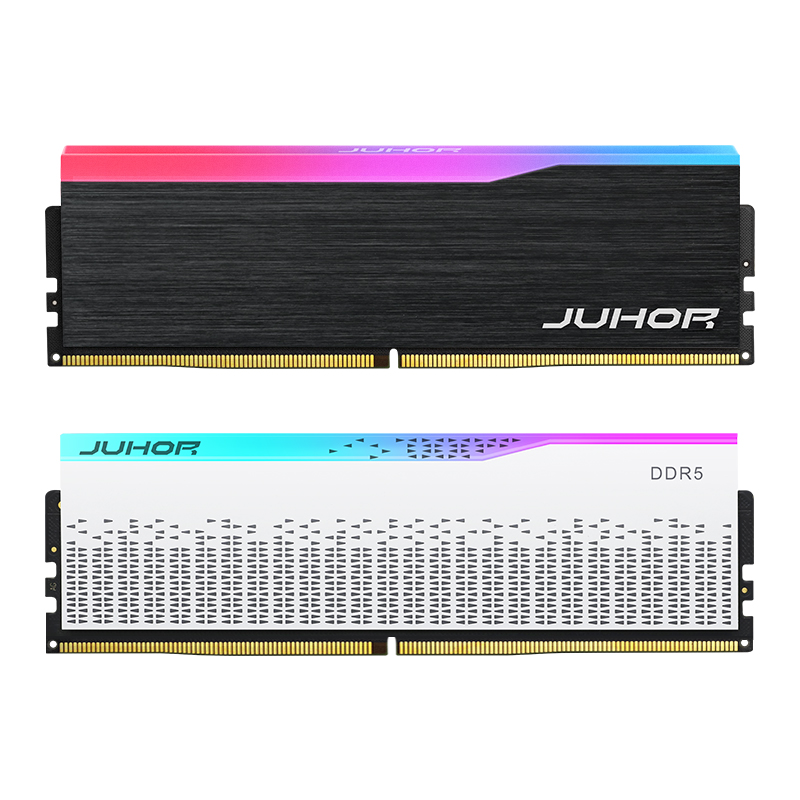
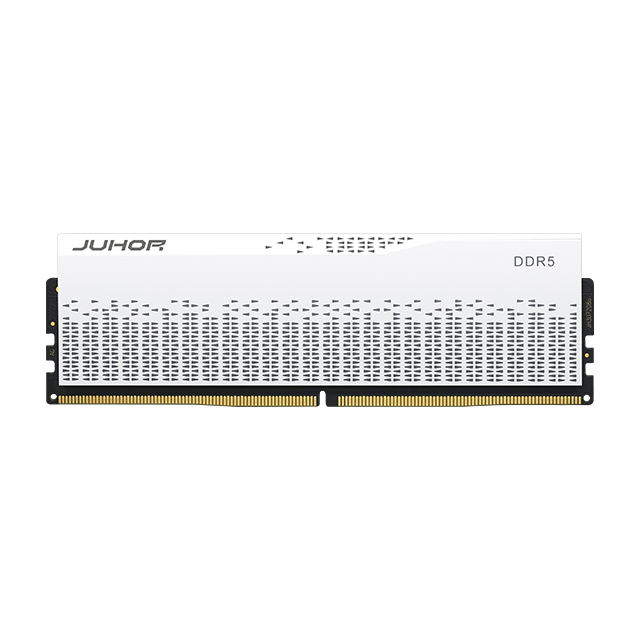
Modern servers and data centers require memory systems that can support higher bandwidth, larger capacity, and stable long-term operation. As computing workloads continue to grow, memory technology must evolve to keep up with increasing performance demands. This is one of the main reasons why DDR5 memory has become the next generation standard for enterprise and server platforms.
Compared with earlier memory generations, DDR5 not only improves data transfer speeds but also introduces several architectural changes within the memory module itself. One of the most notable developments is the redesigned DDR5 RDIMM architecture, which integrates new components to enhance power management, communication, and system monitoring.
Among these components, Power Management Integrated Circuit (PMIC), SPD Hub, and Sideband Bus (SBB) play essential roles. Together, they create a more advanced and efficient memory management system. Understanding how these elements function helps explain why DDR5 RDIMM modules can support higher performance and improved reliability.
Before discussing each component in detail, it is useful to understand the overall structure of a DDR5 RDIMM module.
A typical DDR5 RDIMM contains several key parts that work together to deliver reliable memory performance. These include DRAM chips, a Register Clock Driver (RCD), a Power Management Integrated Circuit (PMIC), an SPD Hub, temperature sensors, and communication interfaces.
Each of these elements has a specific role. DRAM chips store the actual data, while the RCD manages clock signals between the memory controller and the DRAM devices. Meanwhile, the PMIC regulates power supply, and the SPD Hub handles module information and internal device communication.
In addition, DDR5 RDIMM introduces the Sideband Bus, which connects multiple components within the module and enables communication between the host system and module devices. This more complex architecture allows DDR5 RDIMM modules to operate efficiently at higher data rates.

One of the most significant improvements in DDR5 memory modules is the introduction of the Power Management Integrated Circuit (PMIC).
In previous DDR4 systems, most power regulation functions were handled by the motherboard. The motherboard generated the required voltages and supplied them to the DIMM modules through the memory slot. However, as memory speeds increased, this centralized power design faced several limitations.
DDR5 addresses this issue by moving power regulation directly onto the memory module. The PMIC receives power from the motherboard and converts it into the precise voltage levels required by the DRAM chips.
These voltage rails typically include:
VDD
VDDQ
VPP
By placing voltage regulation closer to the memory chips, the system can reduce power transmission losses and improve voltage stability. This design also helps support higher memory speeds while maintaining reliable operation.
Another important component in DDR5 RDIMM architecture is the SPD Hub.
To understand its role, it is helpful to first consider Serial Presence Detect (SPD). SPD is a small memory device that stores key information about the memory module, such as capacity, speed, timing parameters, and manufacturer data. When a computer system starts, the motherboard reads this information to configure the memory correctly.
In DDR5, the traditional SPD design has been expanded into a SPD Hub. Instead of simply storing configuration data, the SPD Hub also functions as a communication manager within the module.
The SPD Hub can connect to several devices on the memory module, including the PMIC, temperature sensors, and other control components. By acting as a central communication point, it allows the system to monitor and manage these devices more efficiently.
This architecture provides improved flexibility and better coordination between the different parts of the memory module.
Along with PMIC and SPD Hub, DDR5 RDIMM also introduces a dedicated communication interface called the Sideband Bus (SBB).
The Sideband Bus is used to manage communication between the system host and the devices located on the memory module. It is based on the MIPI I3C Basic standard and maintains compatibility with earlier I2C communication methods.
Through the Sideband Bus, the host system can access various components within the DDR5 RDIMM module. These components may include the SPD Hub, PMIC, temperature sensors, and the register clock driver.
This communication channel allows the system to read status information, configure power settings, and monitor module conditions. As a result, administrators and system designers gain better visibility into memory operation.
The Sideband Bus therefore plays an important role in supporting advanced monitoring and management functions in modern server platforms.
When examining the DDR5 RDIMM architecture as a whole, it becomes clear that these components are designed to work together.
First, the PMIC manages the power supply for the memory module, ensuring that the DRAM chips receive stable and accurate voltage. Next, the SPD Hub organizes information and coordinates communication between different module devices. Finally, the Sideband Bus provides the communication pathway that allows the system host to interact with these components.
Through this coordinated structure, DDR5 RDIMM modules can achieve more efficient power management, improved device communication, and enhanced monitoring capabilities. This integrated design helps support the high performance and reliability required by modern server systems.

Because of these architectural improvements, DDR5 RDIMM modules provide several benefits compared with previous generations.
First, on-module power management improves energy efficiency and reduces power losses during transmission. Second, enhanced communication through the SPD Hub and Sideband Bus allows more advanced monitoring and configuration capabilities. Third, the redesigned architecture helps support higher memory speeds and larger system capacities.
These improvements make DDR5 RDIMM modules well suited for enterprise servers, cloud computing environments, and high-performance data processing platforms.
In summary, the DDR5 RDIMM architecture introduces several important innovations that improve memory performance and system management. By integrating components such as the PMIC, SPD Hub, and Sideband Bus, DDR5 memory modules provide better power regulation, enhanced communication capabilities, and improved monitoring functions.
These architectural changes allow DDR5 RDIMM modules to operate at higher speeds while maintaining stability and efficiency. As a result, DDR5 has become a key technology for modern servers and high-performance computing systems.
Juhor is dedicated to delivering reliable and high-performance memory products for global markets. With advanced manufacturing processes and strict quality control standards, Juhor provides stable DDR memory solutions designed for gaming systems, workstations, and enterprise environments.
If you are looking for dependable memory products, Juhor offers professional memory solutions that meet the performance and reliability requirements of modern computing systems.


4 / F, No. 18, Langkou Industrial Park, Langkou Community, Dalang Street,Shenzhen,Guangodng , China