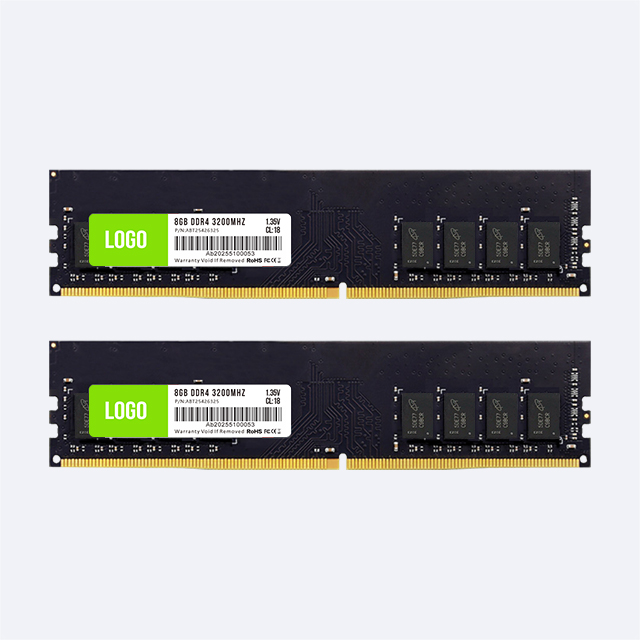
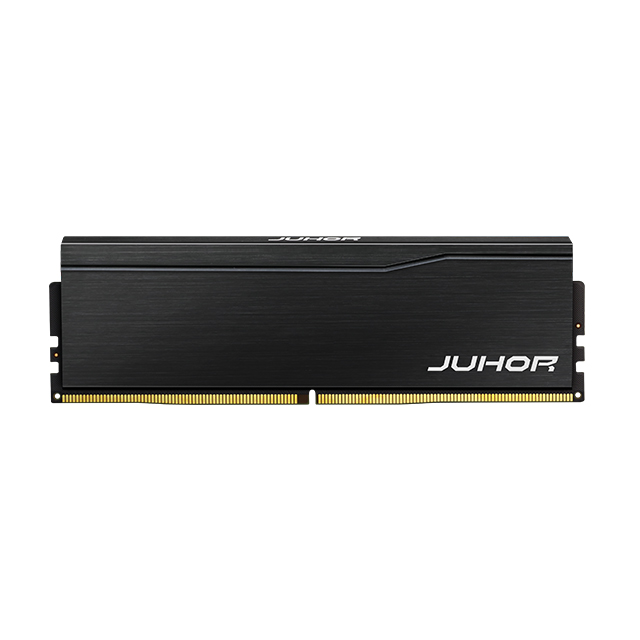
The global memory market in 2026 is experiencing a major transition. For many years, DDR4 was the mainstream choice for computers, servers, and industrial systems. However, the rapid growth of cloud computing, artificial intelligence, and high-performance applications has changed demand patterns. As a result, DDR5 is quickly becoming the standard memory for new platforms, while DDR4 is moving toward legacy status.
At the same time, both individual users and enterprise buyers now face a more complex decision when selecting memory. Understanding the differences between DDR4 and DDR5, as well as current pricing and supply trends, is essential for making cost-effective purchasing decisions.
First of all, one unusual phenomenon in 2026 is that DDR4 prices have risen sharply even though it is older technology. This situation is mainly caused by reduced production. Major manufacturers have cut DDR4 output to focus on newer memory products, leading to limited supply in the market.
Consequently, industries that still rely on DDR4 — such as industrial control systems, automotive electronics, and legacy servers — must compete for the remaining inventory. This imbalance between supply and demand has pushed DDR4 prices higher than expected.
Meanwhile, DDR5 demand continues to increase across consumer and enterprise markets. New computer platforms are designed specifically for DDR5, and many processors no longer support DDR4. In addition, data centers and AI workloads require much higher memory bandwidth and capacity, which DDR5 is designed to provide.
Because of these factors, DDR5 production is expanding, but supply is still tight due to strong demand from servers and cloud infrastructure. As a result, DDR5 prices remain relatively high, although availability is improving compared to earlier stages of adoption.

Looking ahead, DDR4 will gradually move out of mainstream use. Instead, it will remain important for maintaining existing systems that cannot be upgraded easily. For example, many industrial machines and embedded devices are designed for long lifecycles and will continue using DDR4 for years.
However, for new deployments, DDR4 is becoming less attractive because future processors and motherboards increasingly support DDR5 only. This compatibility limitation is a key reason why DDR4 is no longer recommended for new builds.
In contrast, DDR5 is positioned as the long-term standard memory technology. It offers higher data transfer rates, larger module capacities, improved power efficiency, and enhanced reliability features. These advantages allow modern systems to process more data while consuming less energy.
Furthermore, DDR5 introduces architectural improvements such as dual sub-channels and on-module power management. These features help increase bandwidth and stability, which are critical for servers, high-performance computing, and multitasking environments.
When it comes to gaming and everyday computing, DDR5 provides smoother performance in demanding scenarios. Higher bandwidth helps modern game engines load assets faster and maintain stable frame rates during complex scenes. Multitasking, such as running background applications while gaming, also benefits from increased memory capacity.
However, DDR4 still delivers adequate performance for many older or less demanding applications. Therefore, users with existing DDR4 systems can continue using them without immediate upgrades.
For professional workloads, the advantages of DDR5 become more noticeable. Tasks such as video editing, large data processing, virtualization, and AI computing require fast memory access and large capacities. DDR5’s higher bandwidth allows processors to operate more efficiently, reducing bottlenecks in data-heavy operations.
Additionally, improved power efficiency helps reduce heat generation, which is important for systems that run continuously, such as servers and workstations.
Before purchasing memory, compatibility should always be checked. Newer CPUs and motherboards are designed specifically for DDR5, meaning DDR4 cannot be installed on these platforms. Conversely, older systems built for DDR4 cannot use DDR5 modules.
Therefore, users planning a new system should choose DDR5 to ensure long-term upgrade flexibility. Meanwhile, upgrading an existing DDR4 system may still be cost-effective if the platform meets performance needs.

For individual consumers building a new computer, DDR5 is generally the better choice because it aligns with current and future hardware platforms. Users focused on gaming, content creation, or multitasking will benefit most from DDR5’s higher speeds and capacities.
On the other hand, users with older systems can continue using DDR4 if performance is sufficient, especially for basic tasks such as office work and web browsing.
For enterprise buyers, long-term planning is crucial. New office computers, servers, and infrastructure projects should prioritize DDR5 to ensure compatibility and support over the coming years. However, organizations maintaining legacy equipment may still need DDR4 for spare parts and system maintenance.
Careful procurement strategies, including phased upgrades and supplier partnerships, can help manage costs while ensuring stable supply.
In summary, 2026 represents a clear transition period in the memory industry. DDR4 is shifting toward legacy support, while DDR5 is becoming the mainstream solution for modern computing needs. Selecting the appropriate memory generation depends on platform compatibility, performance requirements, and long-term planning.
For new systems and future-ready infrastructure, DDR5 is the preferred choice. For maintaining existing platforms, DDR4 remains relevant but will gradually decline in availability.
If you are looking for reliable memory solutions for your projects or procurement needs, Juhor is a professional DDR Memory supplier offering high-quality DDR4 and DDR5 modules for industrial, enterprise, and consumer applications. Our products are designed for stability, compatibility, and long service life, helping you build systems that perform effic


4 / F, No. 18, Langkou Industrial Park, Langkou Community, Dalang Street,Shenzhen,Guangodng , China