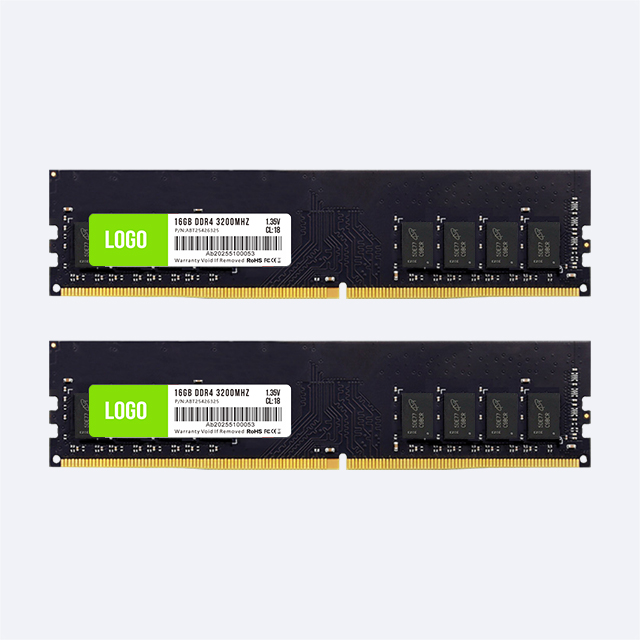
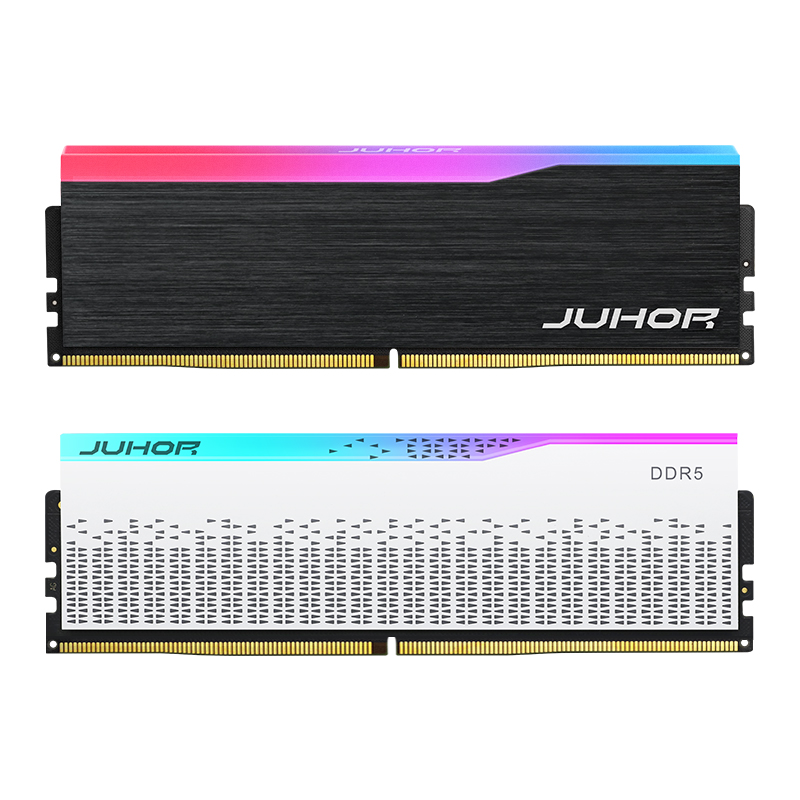
Memory technology has advanced rapidly in recent years as computers, servers, and data centers require higher bandwidth and faster data processing. Among these developments, DDR5 memory represents a significant step forward compared with previous generations such as DDR4. While many discussions focus on speed improvements and larger capacities, another critical factor behind DDR5 performance is power integrity.
Power integrity refers to the stability and quality of the electrical power delivered to memory components. When memory operates at very high speeds, even small fluctuations in voltage can affect signal timing and data reliability. Therefore, maintaining stable and clean power delivery becomes essential for high-speed memory systems.
In this article, we will explore the differences between DDR5 and DDR4 in terms of power integrity and explain why power stability plays such an important role in modern high-speed memory performance.
Before comparing DDR4 and DDR5, it is helpful to understand what power integrity means in a memory system.
In simple terms, power integrity describes how consistently electrical power is delivered to electronic components. Memory chips require precise voltage levels to operate correctly. If the voltage becomes unstable or noisy, the timing of signals may shift, which can lead to data errors or reduced performance.
For memory modules, power integrity depends on several factors, including voltage regulation, power distribution paths, decoupling capacitors, and system layout. As memory speeds increase, these factors become more difficult to control.
Because modern memory modules operate at extremely high frequencies, ensuring stable voltage delivery is necessary to maintain reliable data communication between the memory controller and DRAM chips.

To better understand the improvements in DDR5, it is useful to first look at how DDR4 manages power.
In DDR4 systems, most of the power regulation is handled by the motherboard voltage regulation modules (VRMs). The motherboard supplies regulated voltage to the DIMM slots, and the memory modules then distribute this power to the DRAM chips.
This design worked effectively for many years because DDR4 operates at lower data rates compared with DDR5. Typical DDR4 memory speeds range from around 2133 MT/s to 3200 MT/s. At these speeds, the motherboard-based power system can usually maintain adequate voltage stability.
However, as memory frequencies increase, long power delivery paths from the motherboard to the DIMM modules can introduce voltage noise, signal interference, and power loss. These issues become more noticeable when memory speeds continue to rise.
In contrast to DDR4, DDR5 introduces a major architectural change in power delivery. Instead of relying entirely on the motherboard, DDR5 integrates a Power Management Integrated Circuit (PMIC) directly onto the memory module.
This means that the motherboard provides a higher-level power input, while the PMIC on the module performs local voltage regulation for the DRAM chips. By moving power management closer to the memory devices, the system can regulate voltage more precisely.
This change significantly improves power integrity. Because the power conversion occurs directly on the DIMM module, the distance between the regulator and the DRAM chips is much shorter. As a result, voltage fluctuations and transmission losses can be reduced.
The introduction of on-module PMIC is therefore one of the key design changes that allows DDR5 memory to support much higher data rates.

As memory technology moves into higher performance ranges, power stability becomes even more critical.
DDR5 memory operates at significantly higher data rates than DDR4. Initial DDR5 specifications start around 4800 MT/s, and modern modules can operate at much higher speeds. At these frequencies, signal timing windows become smaller, which means the system has less tolerance for voltage noise or instability.
When power delivery is not stable, several issues may occur. For example, voltage fluctuations can affect signal timing and increase the possibility of data errors. In addition, unstable power can generate extra electrical noise, which may interfere with signal transmission across the memory bus.
Because of these challenges, improving power integrity is essential for ensuring that high-speed DDR5 memory can operate reliably under demanding workloads.
The differences between DDR4 and DDR5 power architecture can be summarized in several areas.
| Feature | DDR4 Memory | DDR5 Memory |
|---|---|---|
| Power Regulation Location | Motherboard VRM | On-module PMIC |
| Power Delivery Distance | Longer path from motherboard | Shorter path within DIMM |
| Voltage Stability | Adequate for moderate speeds | Improved stability for high speeds |
| Noise Control | Limited by board layout | Improved local regulation |
| Support for High Data Rates | Lower speed range | Designed for higher bandwidth |
These differences show how DDR5 improves power integrity to support faster memory operation.
Beyond supporting higher speeds, improved power integrity in DDR5 provides several practical advantages.
First, stable voltage delivery helps maintain reliable system performance during heavy workloads. This is particularly important in servers, workstations, and gaming systems that require consistent data processing.
Second, better power management can improve energy efficiency. When voltage regulation occurs closer to the memory chips, the system can reduce power loss during transmission.
Finally, improved power stability can contribute to overall system reliability. Stable electrical conditions reduce stress on electronic components and help maintain consistent operation over time.
In summary, power integrity plays a critical role in the performance and reliability of modern memory systems. While DDR4 relies on motherboard-based power regulation, DDR5 introduces a new approach by integrating power management directly onto the memory module.
This architectural change significantly improves voltage stability and reduces power delivery noise, which is essential for supporting the much higher data rates of DDR5 memory. As computing systems continue to demand faster and more reliable memory performance, power integrity will remain an important factor in memory design.
Juhor is committed to providing reliable and high-performance memory products designed for modern computing systems. With strict quality control and advanced manufacturing standards, Juhor offers stable DDR memory solutions for gaming PCs, workstations, and professional applications.
If you are looking for dependable memory products for your system upgrades or hardware projects, Juhor provides trusted memory solutions designed to meet the demands of today’s high-speed computing environments.


4 / F, No. 18, Langkou Industrial Park, Langkou Community, Dalang Street,Shenzhen,Guangodng , China