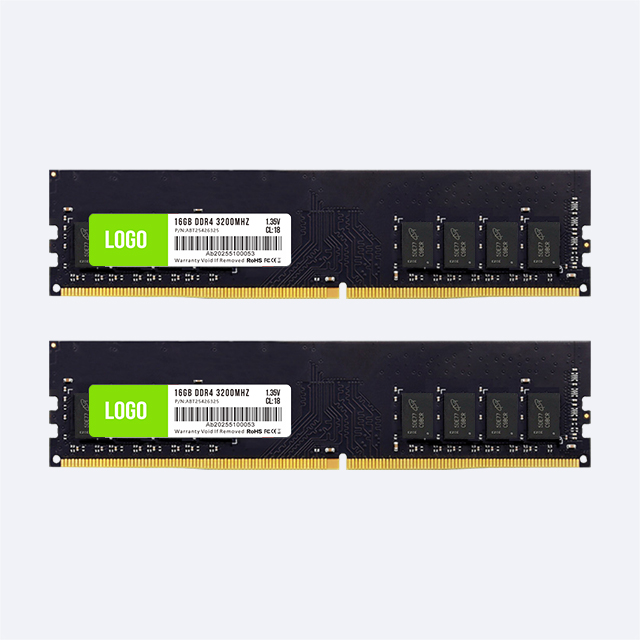
Choosing a RAM manufacturer for an OEM project is not simply a price comparison. The supplier must be able to reproduce an approved memory module across multiple production lots, document any material change, support platform validation, and respond when a field issue occurs. A low quotation has limited value if the delivered modules vary from the sample or cannot be traced to their production records.
Procurement managers, hardware brands, and system manufacturers can use the following process to qualify a supplier before committing to a volume order.
The term “RAM manufacturer” can describe several different businesses. A DRAM semiconductor producer fabricates memory chips. A memory module manufacturer sources qualified components, assembles modules, programs required data, tests the finished products, and manages configuration control. A trader may source finished modules from one or more factories.
| Supplier type | Typical role | What the buyer should verify |
|---|---|---|
| DRAM chip producer | Fabricates memory ICs | Chip identity, qualification status, availability, and authorized supply path |
| Memory module manufacturer | Designs or assembles modules and controls testing | Factory ownership, process control, approved BOM, test coverage, and lot traceability |
| Trader or distributor | Sources and resells components or modules | Original factory, authorization, stock history, warranty route, and change visibility |
An OEM buyer does not necessarily need to purchase directly from a DRAM chip producer. However, the buyer should know who assembles and tests the module, who owns the bill of materials, and who is responsible for corrective action. Ask the supplier to state these roles in writing.
A supplier cannot be evaluated against an incomplete specification. Prepare a controlled requirement sheet for every intended SKU. It should identify the memory generation, capacity, form factor, rated speed, operating voltage, target platforms, labeling, packaging, forecast volume, and regulatory or market requirements.
Separate fixed requirements from attributes that may use approved alternatives. If the DRAM source, PCB revision, SPD configuration, heat spreader, label, or packaging cannot change without approval, record that condition before requesting samples. This prevents a visually identical sample from being treated as approval for an undefined future BOM.
For a multi-platform program, provide a representative compatibility list. A system maker may need desktop UDIMMs, while another project requires laptop SODIMMs. The mechanical form factor and platform generation must be confirmed rather than inferred from capacity or speed alone.
Document review saves time before an on-site or video audit. Ask the potential RAM manufacturer for current, scope-relevant records rather than marketing summaries.
Legal company name, factory address, and the relationship between the sales entity and production site
Quality-management certificate, issuing body, validity dates, and certified scope
Organization chart showing production, engineering, quality, and after-sales ownership
Process flow from incoming material through assembly, testing, labeling, packaging, and shipment
Major production and test-equipment list, including calibration or maintenance controls
Example incoming inspection, in-process inspection, final test, and shipment records
Example lot-traceability record and a redacted corrective-action report
Change-notification procedure covering components, firmware or SPD data, PCB revisions, process, and production location
Check whether the records describe the factory and products under consideration. A valid certificate is useful, but it does not replace product-specific evidence.
During the audit, follow one production lot from receipt to finished-goods storage. This makes gaps easier to see than reviewing departments separately.
Verify how the factory identifies DRAM ICs, PCBs, passive components, labels, and packaging. Review supplier approval, incoming inspection, quarantine, release status, moisture controls where applicable, and electrostatic-discharge precautions. Records should connect received materials to an identifiable supplier and lot.
Observe how work instructions, equipment settings, first-piece approval, inspection points, and nonconforming material are controlled. Ask how operators know that they are using the correct BOM and revision. Rework should have defined authorization and records rather than being handled informally.
Review how module data is programmed and verified, which electrical and functional tests are performed, and how failed units are separated. Finished products should not be released only because they power on. The release record should show the SKU, lot, quantity, test status, date, and responsible function.

The strongest evidence is not a single test station. It is a chain of controls that starts with approved components and ends with field feedback.
| Control area | Evidence to review | Warning sign |
|---|---|---|
| Component control | Approved sources, incoming records, lot identity, and quarantine status | Unidentified or mixed material with no approval trail |
| Process control | Current instructions, first-piece checks, inspection records, and rework rules | Operators rely on memory or uncontrolled documents |
| Module testing | Test method, equipment, configuration, results, and failure handling | “Fully tested” with no report or acceptance criteria |
| Compatibility validation | Defined motherboards or systems, BIOS versions, workloads, and results | One generic test claimed to cover every platform |
| Traceability | Link between finished lot, production date, BOM, material lots, and test data | Serial or lot code cannot retrieve production history |
| Corrective action | Containment, root-cause analysis, correction, and effectiveness check | Replacement is offered without investigating recurrence |
Ask to select a finished lot and trace it backward. Then select a material lot and trace it forward into finished shipments. Both directions matter when a component issue affects only part of an order.
A useful test report should identify the exact product and production lot, test platform, relevant configuration, test items, acceptance criteria, result, and date. If software is used, record its version and settings. If the OEM program has special thermal, endurance, or platform requirements, these must be agreed separately.
Do not accept a percentage claim without defining its denominator and coverage. “100% tested” could mean a brief boot check, a basic memory test, or a longer functional sequence. The buyer should specify which checks apply to every unit, which use sampling, and which belong to design qualification or pilot validation.
Compatibility also requires disciplined platform selection. For DDR4 projects, buyers can use this DDR4 RAM buying guide for PC builders and distributors to organize capacity, speed, voltage, and platform questions before sampling.
Engineering samples are useful, but they should not be the only release gate. Record the approved sample’s part number, BOM revision, label, packaging, programmed data, and test results. Retain a controlled golden sample when practical.
The pilot lot should use the proposed production line, work instructions, components, and inspection plan. Test it on the agreed systems and compare the result with the acceptance criteria. The appropriate sample and pilot quantities depend on project risk, platform diversity, and expected order volume; they should be agreed by the buyer and supplier rather than copied from a generic rule.

Many OEM problems begin after a sample passes. A later lot may contain a different approved component, PCB revision, or programmed configuration. The quality agreement should state which attributes are locked, which alternatives are pre-approved, and which changes require written notice, new samples, or revalidation.
Ask for a product-change-notification process with a defined notice period agreed in the contract. It should cover component substitutions, manufacturing location, critical equipment or process, design revision, programmed data, appearance, and packaging where relevant. Emergency supply changes also need an escalation and approval route.
Traceability should allow the supplier to identify affected shipments without recalling unrelated units. The label or serial system must connect to the production lot and retained manufacturing records for an agreed period.
A purchase order alone rarely defines enough quality detail. Attach a specification and quality agreement that addresses:
Approved product revision and golden sample
Critical, major, and minor defect definitions
Inspection and test methods, sampling rules, and acceptance criteria
Traceability and record-retention requirements
Change-notification and requalification conditions
Nonconformance containment and corrective-action response
RMA data requirements, analysis responsibility, reporting, and disposition
Warranty terms, commercial remedies, and logistics responsibility
For returns, agree on the information needed to reproduce a failure: system model, motherboard and BIOS, processor, installed module configuration, workload, error evidence, environmental conditions, and lot or serial code. Better failure data shortens analysis and helps separate product defects from compatibility or installation issues.
Reported factory capacity is not the same as capacity reserved for an OEM program. Ask for normal and peak output, current utilization, test-equipment constraints, shift plan, material lead-time assumptions, and allocation rules. Compare these with the rolling forecast and launch schedule.
Commercial qualification should also cover MOQ by SKU, sample terms, production lead time, forecast commitments, buffer strategy, end-of-life notice, packaging configuration, and delivery terms. These values should be confirmed in the quotation because they may vary by product and customization level.
| Decision | Meaning | Next action |
|---|---|---|
| Pass | Required controls and objective evidence are present | Proceed to pilot or commercial approval |
| Conditional | Gap is limited, understood, and can be corrected before release | Assign owner, evidence, and deadline; verify closure |
| Fail | Critical control is absent or evidence conflicts with the claim | Stop qualification until the risk is removed |
Score quality, engineering support, traceability, change control, capacity, delivery, cost, and after-sales support separately. Weight them according to the project. A mature workstation program may place more weight on platform validation and BOM stability, while a retail private-label project may add packaging and regional compliance controls.
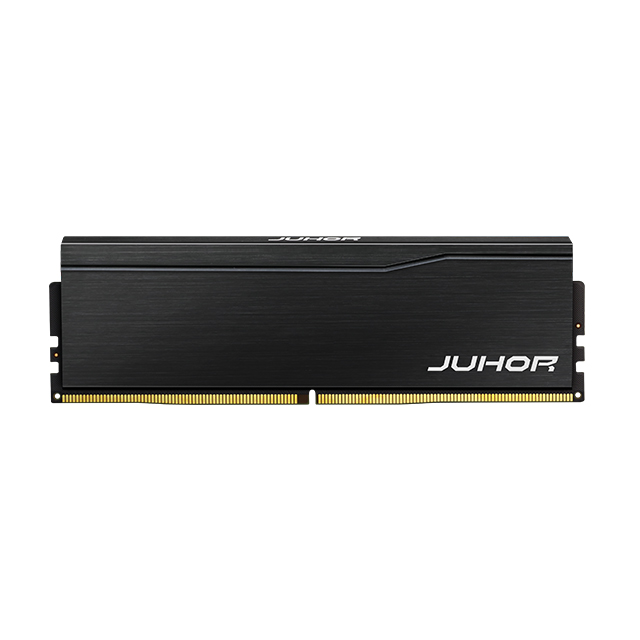
Juhor offers desktop memory and laptop memory product lines, and its public product information describes OEM and ODM options for branding, specifications, and packaging.
According to the company information provided for this project, Juhor reports ISO 9001 certification, more than 1,000 test platforms, approximate monthly memory-module capacity of 200,000 units, and chip-testing volume of about 1.5 million units. A buyer should verify the current certificate scope, equipment list, utilization, process records, and available capacity during qualification. These checks turn company-level figures into project-specific evidence.
For an efficient review, send Juhor the target form factor, generation, capacity, speed, voltage, platform list, estimated order quantity, forecast, branding and packaging files, required tests, target market, and delivery destination. The response can then be evaluated against a defined OEM requirement rather than a general product request.
No. A memory module manufacturer may source DRAM ICs and assemble, program, test, label, and package finished modules. The buyer should verify the chip source, module factory, BOM owner, and quality responsibility.
No. It supports evaluation of the quality-management system, but product approval also requires process evidence, test records, traceability, samples, and validation on the target platforms.
There is no single decisive check. A strong audit confirms that approved materials, controlled production, defined testing, lot traceability, change management, and corrective action work as one system.
Only when the project requires it. The agreement may lock the exact source or allow qualified alternatives. In either case, approval rules and change notification should be explicit.
Include the complete specification, target systems, test criteria, labeling and packaging requirements, requested quantity, and the information that must remain unchanged in production.
Compare the approved BOM and programmed configuration with pilot and production-lot records. Review material-lot traceability, final test data, labels, and any approved changes.
The supplier should contain affected stock, collect system and lot data, analyze the failure, identify root cause when possible, implement correction, and verify that the issue does not recur.
Provide form factor, DDR generation, capacity, speed, voltage, target platforms, forecast, initial quantity, branding, packaging, compliance needs, test requirements, delivery location, and schedule.
The best supplier discussion begins with evidence. Send a controlled specification and request the pre-audit documents, representative samples, proposed BOM-control method, test plan, traceability format, change process, capacity confirmation, and commercial terms. Juhor can then review the application and prepare an OEM proposal aligned with the target systems and order plan.


4 / F, No. 18, Langkou Industrial Park, Langkou Community, Dalang Street,Shenzhen,Guangodng , China