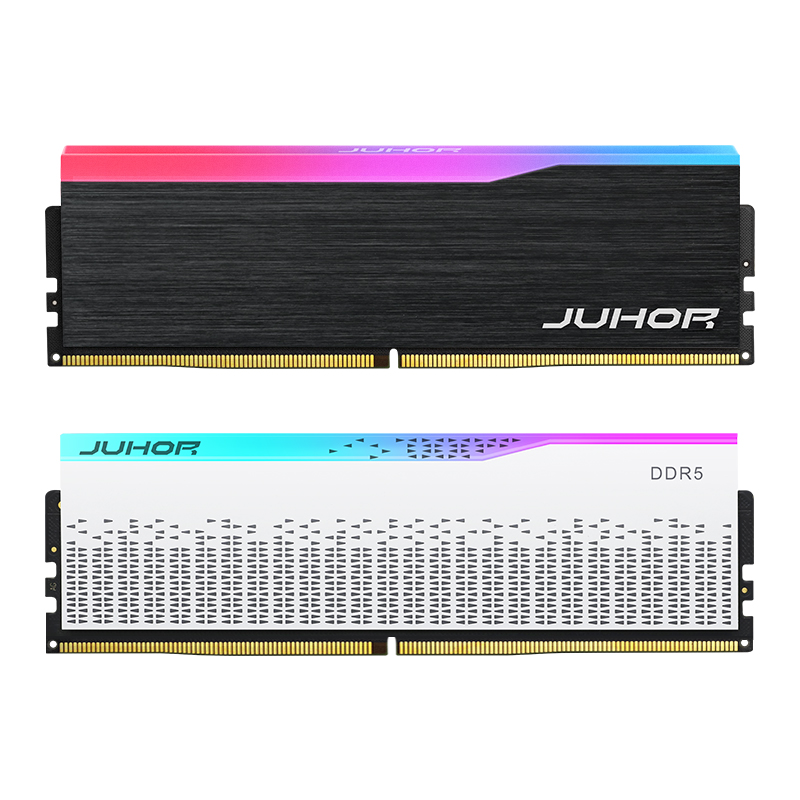
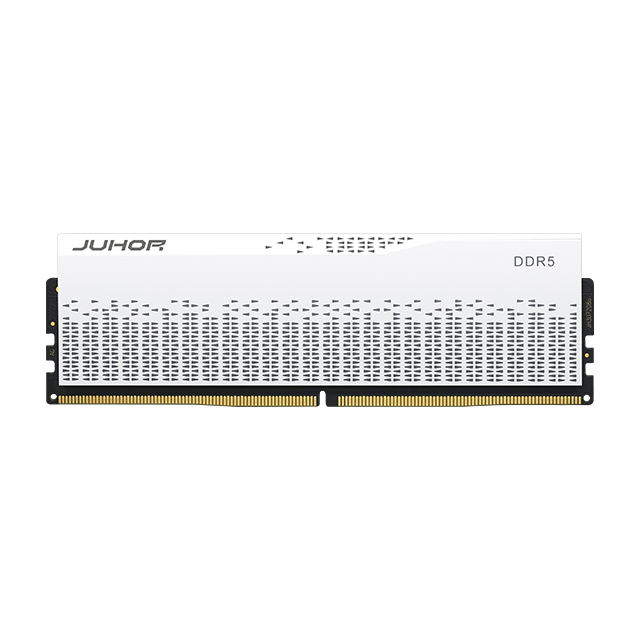
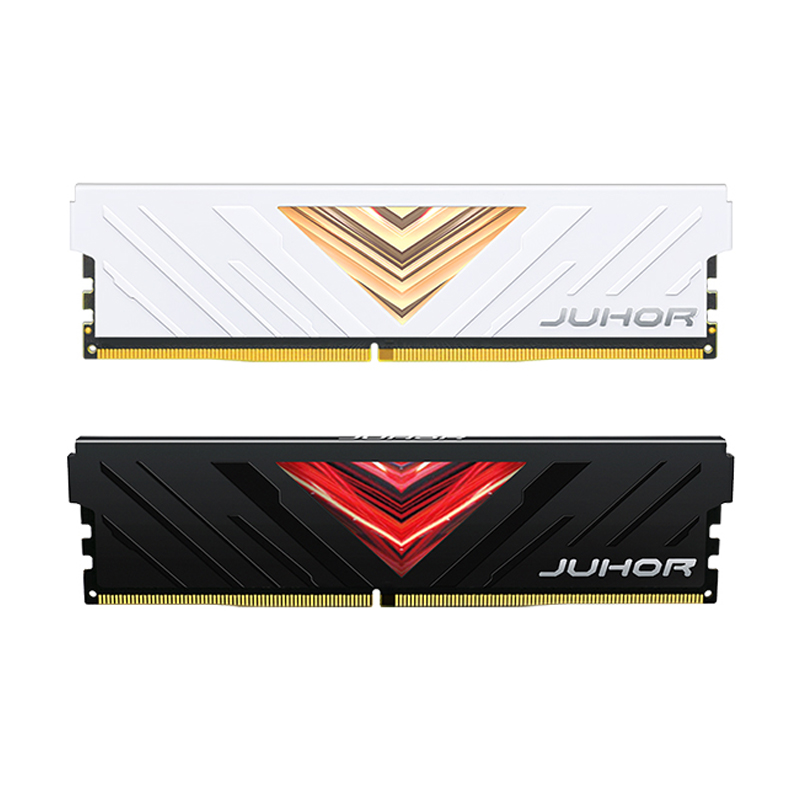
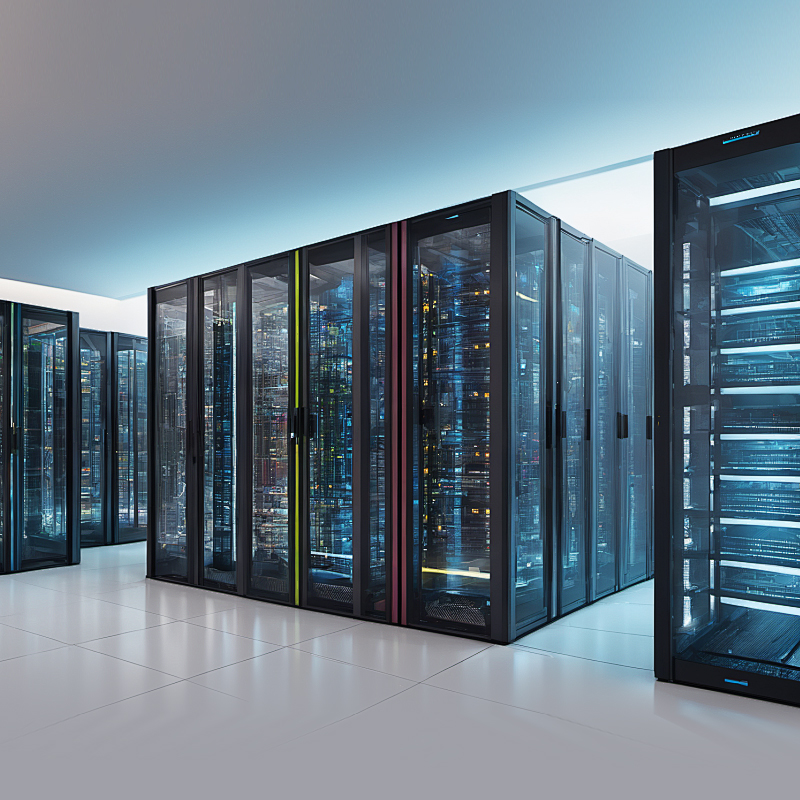
Modern data centers face unprecedented demands as cloud computing, AI, and edge computing workloads continue to grow. The pressure on servers to process and store massive volumes of data efficiently has never been higher. To address these challenges, organizations are turning to DDR5 memory, which offers higher bandwidth, improved power efficiency, and enhanced data integrity compared to previous DDR4 systems. DDR5 is quickly becoming the standard for modern data centers, delivering the speed, scalability, and reliability needed for today’s demanding applications.

One of the most significant improvements DDR5 offers over DDR4 is performance and bandwidth. DDR5 doubles the available data transfer rate, reaching up to 6400 MT/s, while DDR4 is typically limited to 3200 MT/s. This increase in throughput allows servers to handle memory-intensive tasks, such as cloud-native applications, real-time analytics, and memory databases, with faster access and lower latency. By providing more bandwidth per CPU core, DDR5 ensures that modern multi-threaded applications run smoothly and efficiently.
In addition to speed, DDR5 improves power efficiency. Operating at 1.1V compared to DDR4’s 1.2V, DDR5 includes on-module power management that reduces overall energy consumption. This feature is especially valuable in large-scale data centers, where memory can account for up to 30% of total power usage. Furthermore, DDR5 integrates on-die error correction (ECC), enhancing data integrity and system stability. This is crucial for servers managing large datasets, where even minor memory errors can disrupt critical workloads.
DDR5 memory also supports significantly higher module densities, allowing servers to accommodate larger total memory capacities. While DDR4 modules typically range from 16GB to 64GB, DDR5 modules can reach 128GB and beyond. This scalability is essential for applications like AI model training, hybrid cloud platforms, and big data analytics, where workloads continuously expand. By combining higher capacity with faster speeds, DDR5 ensures data centers can meet current needs while remaining prepared for future growth.
Proper DDR5 configuration is critical to achieving optimal performance in servers. Multi-channel memory architectures are standard in modern servers, and populating memory evenly across channels maximizes bandwidth. Using identical modules from the same manufacturer further reduces potential compatibility issues and helps maintain system stability.
Server memory also differs in rank and chip width. Single-rank (1R) modules may offer lower latency, while dual-rank (2R) modules can provide increased bandwidth. Modules with x4 DRAM chips support multi-bit ECC, offering enhanced data integrity, whereas x8 chips typically support single-bit ECC. Choosing the correct combination depends on workload demands, whether prioritizing latency, bandwidth, or overall reliability.
When configuring servers, IT teams must also consider memory speed limitations imposed by processors or motherboard designs. Selecting the fastest DDR5 modules does not always translate into better performance if system limitations prevent full utilization. Balancing memory speed, capacity, and reliability according to application requirements ensures optimal results.
DDR5 memory delivers tangible benefits in real-world server environments. In cloud computing, faster memory speeds and increased bandwidth reduce latency and improve application responsiveness. AI and machine learning workloads, which rely on large datasets and rapid data processing, benefit from DDR5’s high-density modules and enhanced reliability. High-performance computing (HPC) and storage-intensive tasks also gain from the improved throughput and stability DDR5 provides, enabling data centers to scale operations without sacrificing efficiency.

Despite its advantages, DDR5 adoption comes with challenges. Pricing remains higher than DDR4, which can impact budget planning for large-scale deployments. Compatibility with existing infrastructure may require motherboard, CPU, and system upgrades. Additionally, higher data rates can introduce thermal and signal integrity concerns, necessitating careful system design and cooling strategies. However, these challenges are increasingly outweighed by DDR5’s long-term performance and efficiency benefits.
Adopting DDR5 memory delivers measurable business value. Improved power efficiency lowers energy costs in large data centers, while higher bandwidth and module densities increase overall performance. These gains reduce server slowdowns and optimize processing time, supporting smoother scaling of operations. Transitioning to DDR5 also future-proofs data center infrastructure, ensuring compatibility with next-generation workloads and AI-driven applications. Partnering with trusted suppliers ensures reliable memory modules and long-term vendor support, reducing operational risks.
DDR5 memory represents a major leap forward in server memory technology. With higher bandwidth, faster speeds, increased density, improved power efficiency, and enhanced data integrity, DDR5 equips modern data centers to handle today’s demanding workloads and prepare for future growth. Proper configuration and deployment are essential to maximize performance, and organizations that adopt DDR5 can enjoy improved server efficiency, reduced operational costs, and long-term infrastructure scalability.
For businesses looking for reliable DDR5 solutions, Juhor offers high-quality DDR5 server memory modules suitable for cloud computing, HPC, and large-scale enterprise applications. Partner with Juhor to optimize your data center performance with trusted DDR5 memory supplier.


4 / F, No. 18, Langkou Industrial Park, Langkou Community, Dalang Street,Shenzhen,Guangodng , China