Cloud computing has become the backbone of modern digital transformation. It connects users to powerful computing resources through the internet, enabling businesses and individuals to access storage, databases, and applications on demand. The success of cloud platforms relies heavily on fast and stable data processing. As workloads grow more data-intensive, memory performance has become one of the biggest factors affecting cloud computing efficiency and scalability. This is where DDR5 memory technology plays a transformative role.
In a cloud data center, memory acts as the bridge between processors and data. Every request—whether from a virtual machine, database, or AI model—depends on how quickly memory can respond. When memory bandwidth is limited, servers cannot fully utilize their processing power, leading to delays and lower system efficiency.
Cloud computing environments are characterized by high concurrency, virtualization, and large-scale data analysis. These workloads require fast, reliable, and energy-efficient memory. However, older DDR4 memory technology often struggles to meet these demands. Its limited bandwidth, higher power consumption, and lower density make it less suitable for modern cloud workloads that depend on real-time data processing and scalable performance.
DDR5 memory represents a major step forward in data transfer capability. Starting at 4800 MT/s and reaching up to 8400 MT/s, DDR5 offers up to 85% more bandwidth than DDR4. This significant boost allows servers to handle larger data volumes more efficiently, reducing bottlenecks in data-heavy cloud applications like AI, analytics, and virtualization.
Each DDR5 module is divided into two independent 40-bit channels, replacing DDR4’s single-channel design. This dual-channel structure improves memory access parallelism, which is essential in multi-threaded and virtualized environments. It enables smoother performance even when thousands of virtual machines run simultaneously.
Data accuracy is critical in cloud computing, where even minor errors can cause system instability or data corruption. DDR5 integrates on-die ECC (Error Correction Code), which automatically detects and corrects single-bit errors inside the memory chip. This feature enhances reliability and reduces the risk of service interruptions in mission-critical applications.
With the growing size of data centers, energy efficiency has become a major concern. DDR5 addresses this by lowering the operating voltage from 1.2V (DDR4) to 1.1V. It also includes a power management IC (PMIC) directly on the module, optimizing power delivery and reducing energy waste. This leads to lower heat generation and contributes to greener, more sustainable data center operations.
DDR5 supports higher capacity modules, reaching up to 128GB per DIMM. This expansion allows cloud providers to host more virtual machines or process larger in-memory databases without increasing the physical footprint of servers. As a result, DDR5 enables greater scalability and flexibility for growing cloud workloads.
In real-world scenarios, the benefits of DDR5 are easy to see. Compute-intensive workloads, such as AI model training or scientific simulations, rely on high bandwidth to process data quickly. DDR5 provides the speed necessary to keep processors fully utilized, improving overall performance and reducing execution time.
For data-intensive applications, such as big data analytics and streaming platforms, DDR5’s higher throughput allows faster access to large datasets. This means real-time insights, smoother user experiences, and more efficient data management.
Scalability is another major advantage. With higher memory density and faster access, DDR5 allows servers to support more virtual environments per node. Cloud service providers can therefore optimize their infrastructure, reducing hardware investment while maintaining high service quality.
Moreover, DDR5’s energy efficiency reduces power consumption per operation, leading to significant cost savings in large-scale deployments. Studies show that moving from DDR4 to DDR5 can improve application performance by up to 40% while lowering total power usage—an important advantage in the era of sustainable cloud computing.

Despite its benefits, implementing DDR5 in cloud environments comes with challenges. Higher data rates create stricter requirements for signal integrity and cooling systems. The more complex design of DDR5 modules, including on-board PMICs, increases heat output and demands precise power management.
Latency optimization is another concern. While DDR5 provides greater bandwidth, its higher burst length can slightly increase access latency. Cloud engineers must fine-tune controllers and workloads to balance throughput and response time effectively.
Additionally, compatibility and cost are practical factors. DDR5 modules require newer motherboards and processors, meaning that cloud providers need to plan their upgrades carefully. Although DDR5 is more expensive than DDR4, the long-term gains in efficiency and scalability often outweigh the initial investment.
As cloud services continue to expand and AI workloads become more complex, DDR5 will soon become the standard memory solution in data centers. Its combination of speed, density, and efficiency makes it ideal for handling the demands of next-generation computing. In the future, as technologies like DDR6 and CXL memory emerge, they will build on DDR5’s foundation, pushing cloud computing to new levels of performance and flexibility.
DDR5 memory marks a turning point in cloud computing infrastructure. By offering higher performance, better energy efficiency, and greater scalability, it directly addresses the challenges of modern data centers. For businesses relying on cloud technology, upgrading to DDR5 means faster services, lower costs, and more reliable operations.
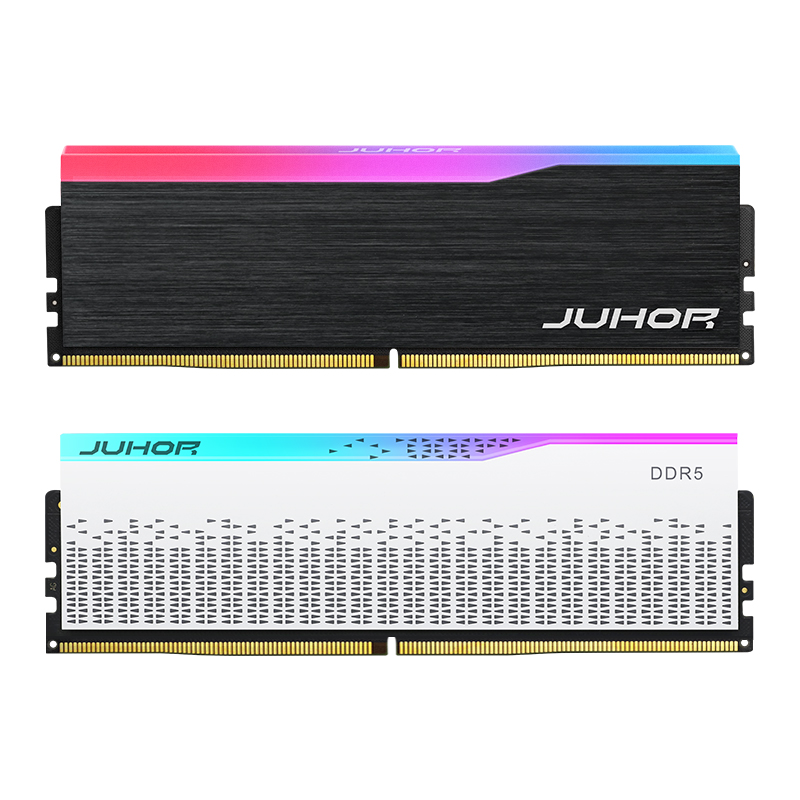
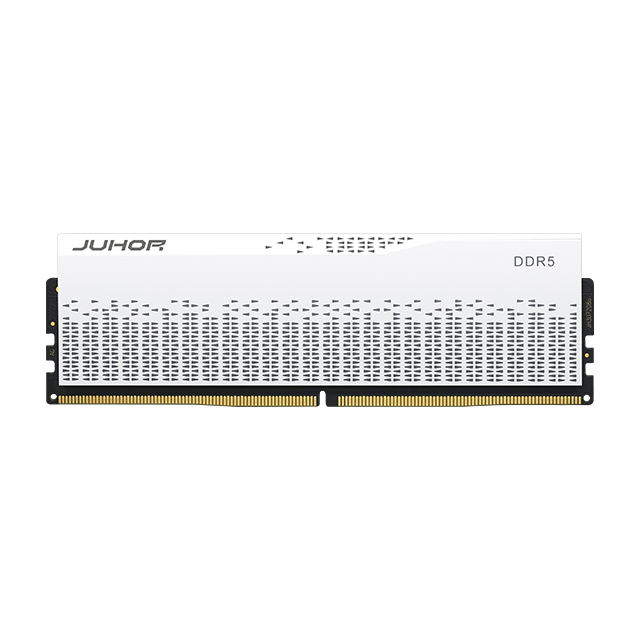
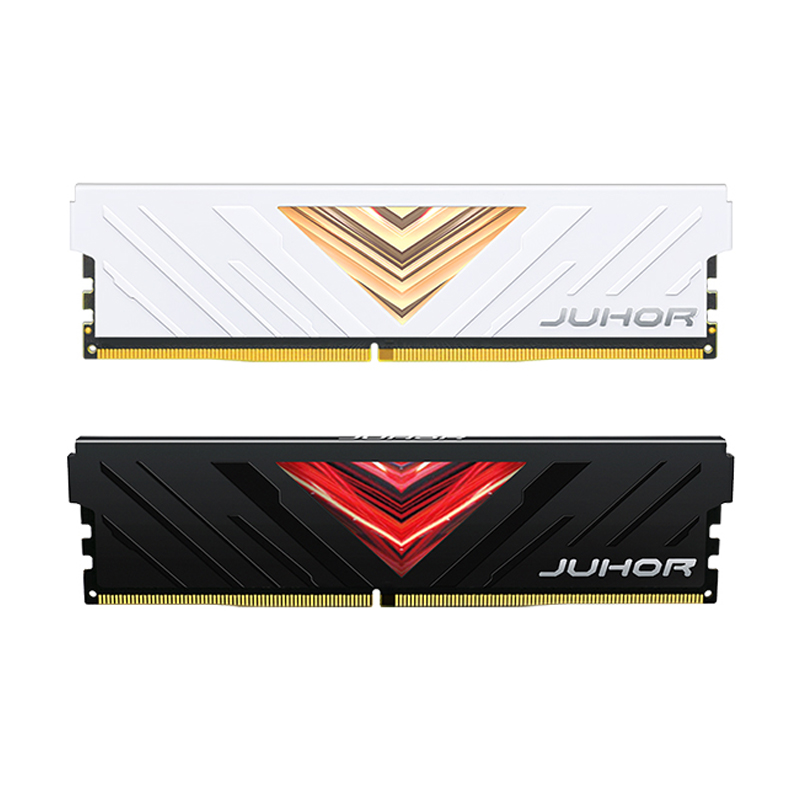
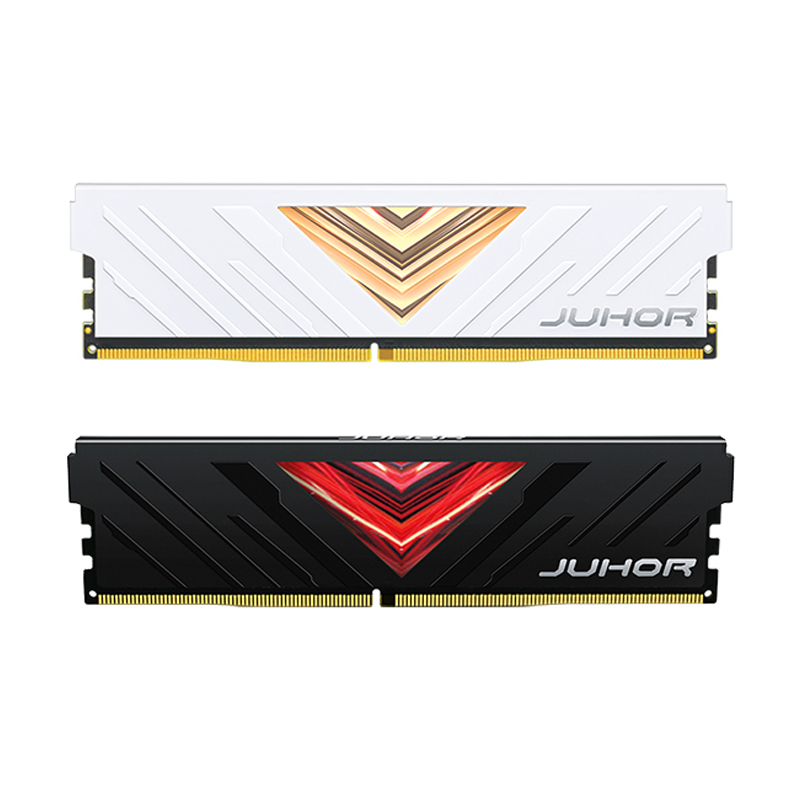
At Juhor, we provide advanced DDR5 memory solutions designed for cloud and enterprise systems. Our products deliver high performance, efficiency, and stability to help customers maximize the potential of their computing infrastructure. Choose Juhor – power your cloud with next-generation memory performance.


4 / F, No. 18, Langkou Industrial Park, Langkou Community, Dalang Street,Shenzhen,Guangodng , China