In modern computing, system performance depends heavily on how efficiently memory handles data transfer. Two key factors — memory bandwidth and latency — play a central role in determining that efficiency. However, optimizing one often means compromising the other. Understanding this balance is crucial for maximizing performance across different types of workloads.
To begin with, memory bandwidth refers to the amount of data that can be transferred between memory and the CPU per second. It is usually measured in gigabytes per second (GB/s). Higher bandwidth allows a system to move more data quickly, which is essential for data-intensive applications.
On the other hand, memory latency measures the time delay between when a request is made and when the data becomes available. Lower latency means faster response times, which is particularly important for operations that require quick access to small amounts of data.
In simple terms, bandwidth focuses on how much data can be moved, while latency focuses on how fast that data can be accessed.

While both are important, memory bandwidth and latency often work in opposition. Increasing bandwidth typically involves widening data channels or raising memory frequencies, which can also introduce longer access delays. Similarly, reducing latency might require tighter timings, which can limit achievable frequency and overall bandwidth.
This trade-off creates what many experts refer to as the “performance balance point” — the optimal combination of speed and responsiveness for a given application. Finding this balance depends on the nature of the workload, the system architecture, and the specific DDR memory configuration in use.
Not all applications are affected by bandwidth and latency in the same way. Understanding how each type of workload behaves helps in fine-tuning memory performance more effectively.
Games and real-time rendering tasks tend to be latency-sensitive. These workloads often rely on quick data access for textures, physics calculations, and AI processing. Even small delays in memory response can affect frame rates and smoothness. Thus, gamers often benefit more from memory kits with lower latency timings rather than higher raw bandwidth.
High-performance computing (HPC), simulations, and data analysis programs are bandwidth-hungry. They process large data sets in parallel, meaning that increasing the rate of data transfer can significantly improve overall performance. For such applications, higher memory frequencies and multi-channel configurations — such as quad-channel or even octa-channel setups — are advantageous.
Databases and enterprise servers strike a middle ground. While some database queries depend on fast random access (low latency), others involve streaming large data blocks (high bandwidth). Therefore, an optimal configuration for these environments usually involves balanced memory tuning, achieving both reasonable bandwidth and latency without overemphasizing one side.
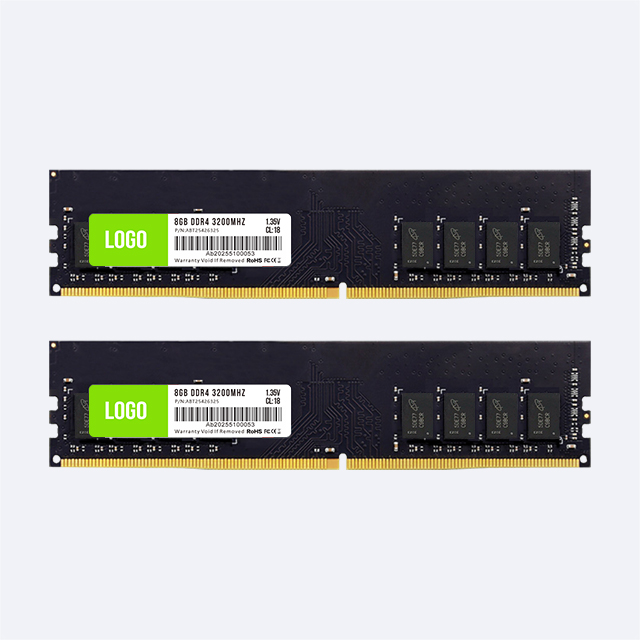
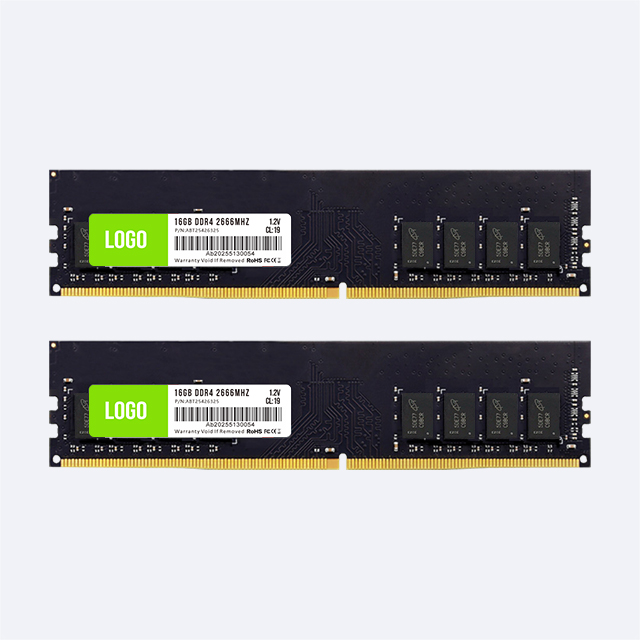
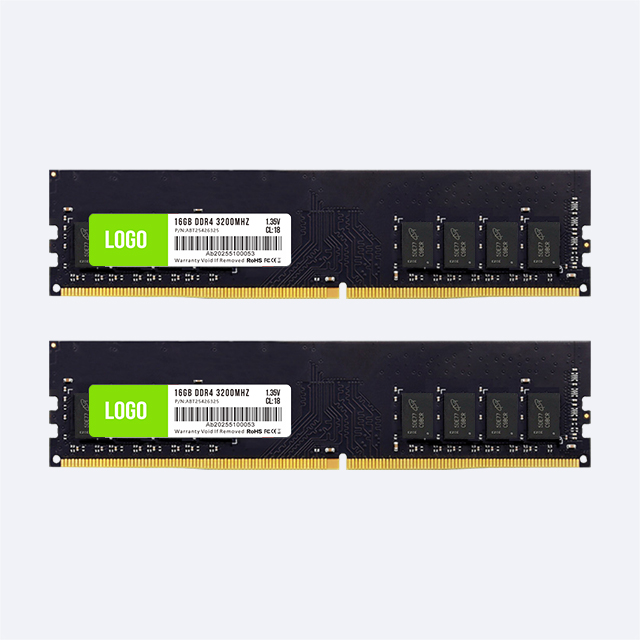
To find the best performance balance, it’s important to evaluate both memory frequency and timings together. For example, increasing DDR memory speed from 3200MHz to 4000MHz boosts bandwidth, but if the latency (measured in CAS or CL) also increases proportionally, the real performance gain might be minimal.
A good approach is to:
Start with your system’s officially supported memory frequency.
Adjust timings gradually while monitoring real-world application performance.
Use benchmarking tools that reflect your actual workloads rather than synthetic tests alone.
In many cases, moderate overclocking — improving both speed and timings slightly — delivers the best return on investment. The goal is not to chase the highest numbers but to achieve stability and efficiency for the target applications.

The configuration of memory channels also affects how bandwidth and latency balance out. For instance, a dual-channel DDR setup doubles data transfer paths compared to single-channel systems, significantly improving bandwidth. Meanwhile, quad-channel configurations are common in workstations and servers that require maximum throughput.
However, increasing the number of channels does not necessarily reduce latency; it primarily enhances bandwidth. Therefore, understanding your hardware architecture and selecting a configuration aligned with your workload is essential for optimizing performance.
Ultimately, there is no single perfect setting for every scenario. For gamers and creative users, low latency DDR memory typically delivers smoother and more responsive experiences. For researchers, engineers, and enterprise professionals, high-bandwidth memory configurations yield better productivity and computational power.
The key lies in identifying which metric — bandwidth or latency — most affects your use case and tuning memory parameters accordingly.
In the constant tug-of-war between memory bandwidth and latency, the right balance depends on how your system is used. By understanding the characteristics of your applications and the behavior of your DDR memory, you can tune your setup to reach the “sweet spot” — where performance, stability, and efficiency meet.
If you’re looking for reliable, high-performance DDR solutions that support both bandwidth and latency optimization, Juhor offers a wide range of memory modules tailored for gaming, professional, and industrial use. As a trusted DDR memory supplier, Juhor delivers consistent quality and advanced design to help you achieve the best performance for your applications.


4 / F, No. 18, Langkou Industrial Park, Langkou Community, Dalang Street,Shenzhen,Guangodng , China